The latest developments across the GLP-1 landscape, from new drug approvals and clinical research to pricing changes and policy shifts. Stay informed on the updates that affect Ozempic, Wegovy, Mounjaro, and the wider category.
News & Updates
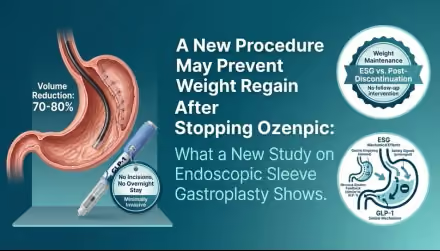
One of the hardest realities of GLP-1 therapy is what can happen when you stop. Weight often comes back — sometimes quickly. A new study points to an endoscopic procedure as a potential tool to help people maintain their results after discontinuing medication.
Two oral GLP-1 medications are now competing for shelf space in the U.S. market. Early data suggests oral semaglutide (Wegovy) is pulling ahead of oral tirzepatide (Foundayo). Here's what actually matters for patients.
South Korea's diabetes community is pushing to loosen restrictions on GLP-1 medications like Ozempic as access problems persist. The move reflects a global tension between surging demand and rigid prescribing rules. Here's why it matters beyond Korea's borders.
A growing number of people on semaglutide describe a striking moment: the constant mental chatter about food simply goes quiet. It feels like someone flipped a switch. But what's actually happening—and does it last?
One of the most common fears among people on GLP-1 therapy is what happens when they stop. New research points to a structured "metabolic reset" approach that may help prevent the weight rebound many people experience after discontinuing these medications.
A new trend has a name: the "Mounjaro Bride." More people are turning to tirzepatide ahead of their wedding day to lose weight fast. Before you book a consultation, here's what the conversation is missing.
The GLP-1 medication boom isn't just attracting pharmaceutical companies anymore. Major technology players are positioning themselves to capitalize on the weight loss drug wave—and for patients currently on or considering GLP-1 therapy, that shift could matter more than you think.
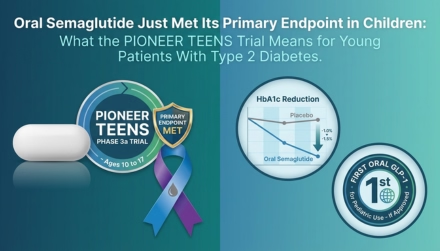
Novo Nordisk just announced positive results from its PIONEER TEENS trial, testing oral semaglutide in children and adolescents with type 2 diabetes. If approved, it could be the first oral GLP-1 medication available for kids ages 10–17. Here's what the data means and why it matters.