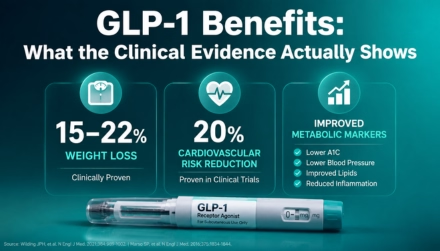
How GLP-1 medications support meaningful, sustainable weight loss. Learn what realistic results look like, what to expect over time, and how to maximize progress and maintain it for the long term.
Weight Loss
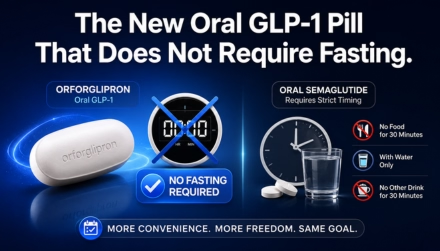
A new oral weight loss pill is generating buzz for outperforming oral semaglutide in early clinical comparisons. This article breaks down what the drug is, how it compares to existing GLP-1 options, and what patients should consider before making any changes to their treatment plan.
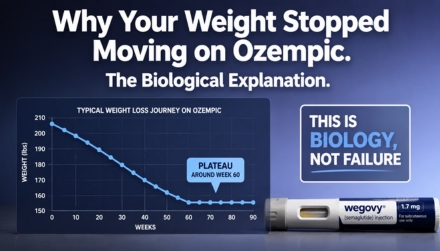
If your weight loss has stalled on Ozempic or Wegovy, you're not failing the medication. New research explains exactly why semaglutide-driven weight loss hits a ceiling, and what that means for your treatment plan going forward.
Many people regain weight after stopping GLP-1 medications like semaglutide or tirzepatide. A new Dartmouth Health study offers promising clues about what helps some patients keep the weight off. Here is what the research means for you and your treatment plan.
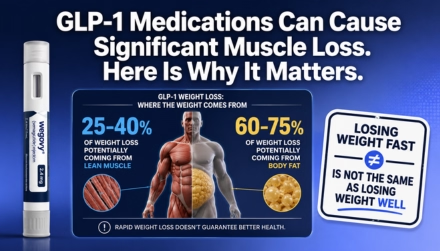
One of the biggest downsides of GLP-1 medications is that weight loss often includes muscle, not just fat. A new oral pill in development may help protect lean muscle mass during GLP-1 treatment, addressing one of the most common concerns patients and doctors share about these medications.
GLP-1 medications like semaglutide and tirzepatide have helped millions lose significant weight, but they come with real risks worth understanding. This guide breaks down what the science actually shows, what side effects to watch for, and what questions to ask your doctor before starting.
New clinical trial data from Novo Nordisk shows a higher dose of semaglutide (Wegovy) may produce nearly 28% body weight loss in early responders. Here is what that means for patients currently on GLP-1 therapy, those considering it, and how this could shape treatment decisions going forward.
Novo Nordisk has reported that a higher-dose formulation of Wegovy (semaglutide) achieved roughly 28% weight loss in early responders. This could reshape how doctors approach dosing for patients who respond well early in treatment. Here's what the data means for you and questions worth asking your provider.
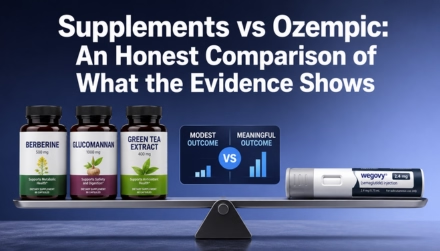
Some budget-friendly supplements show modest weight loss benefits in early research, but how do they stack up against GLP-1 medications like semaglutide and tirzepatide? This article breaks down the science, the costs, and how to decide which approach fits your situation.

.avif)