

Here's what we'll cover
Here's what we'll cover
Why Are People on GLP-1 Medications Losing Hair?
You started Wegovy or Ozempic and the scale is finally moving in the right direction. Then you notice more hair in the shower drain, on your pillow, or in your brush. It's unsettling, and it's more common than most providers mention upfront.
The important clarification here: hair loss linked to GLP-1 medications is almost always a secondary effect of rapid weight loss, not a direct chemical action of the drug itself. Understanding that distinction matters a lot for how you respond to it.
The Physiology Behind the Shedding
When your body undergoes significant physical stress, including a large calorie deficit, major surgery, illness, or rapid weight change, hair follicles can shift prematurely from their growth phase into a resting phase. This is called telogen effluvium (TE).
During TE, affected follicles shed their hair strands simultaneously rather than in the normal staggered cycle. You might notice diffuse thinning across the scalp rather than patches. It typically begins 2 to 3 months after the triggering event, which is why people often notice it a few months into their GLP-1 journey.
Is It the Drug Itself or the Weight Loss?
This is the question researchers and dermatologists are actively working to answer. The current evidence points strongly toward calorie restriction and rapid weight loss as the primary driver.
Clinical trials for semaglutide (the active ingredient in Ozempic and Wegovy) and tirzepatide (found in Mounjaro) did report hair loss as an adverse event in a subset of participants. In the SURMOUNT-1 trial for tirzepatide, approximately 5.7% of participants reported alopecia (hair loss) at the highest dose, compared to around 1% in the placebo group.
Does the Placebo Difference Matter?
Some researchers argue that the higher rate in treatment groups versus placebo groups suggests the drug might play a small direct role. Others point out that treatment group participants lost significantly more weight and calories, which alone explains the difference.
No peer-reviewed study has identified a direct mechanism by which GLP-1 receptor agonists chemically damage hair follicles. The consensus in dermatology remains that weight-loss-induced telogen effluvium is the most likely explanation for the majority of cases.
Who Is Most at Risk for Hair Loss on GLP-1 Medications?
Not everyone on semaglutide or tirzepatide will experience noticeable hair shedding. Several factors increase your individual risk.
Faster weight loss. Losing more than 1 to 1.5 pounds per week consistently puts more physiological stress on the body and increases the likelihood of triggering TE.
Low protein intake. Hair is made almost entirely of a protein called keratin. If your reduced appetite from a GLP-1 medication leads to inadequate protein consumption, your body may deprioritize hair growth in favor of essential functions.
Nutritional deficiencies. Deficiencies in iron, zinc, biotin, and vitamin D are associated with hair shedding. Rapid weight loss can reduce intake and absorption of these nutrients simultaneously.
Pre-existing hair conditions. People with androgenetic alopecia (pattern hair loss) or other scalp conditions may notice those conditions become more visible as general shedding thins overall density.
Hormonal changes. Significant weight loss can shift hormonal balances, particularly androgens and thyroid hormones, which both influence hair cycling.
What the Growing Hair Treatment Market Is Offering GLP-1 Users
As GLP-1 prescriptions have surged into the tens of millions in the United States, a parallel market has grown around managing the side effects. Hair loss is one of the most visible and emotionally significant of those side effects, which makes it a natural target for product and service providers.
Dermatology clinics, telehealth platforms, and supplement companies are now specifically marketing to people on weight loss medications. Some of this is genuinely useful. Some of it is opportunistic.
Evidence-Based Options Worth Knowing About
Minoxidil (Rogaine and generics). Minoxidil is FDA-approved for hair loss and is available over the counter. It works by prolonging the growth phase of hair follicles. It won't fix the underlying cause of GLP-1-associated shedding, but it can support follicle health during a period of increased shedding. Both topical and oral low-dose versions are used.
Protein supplementation. This is low-cost, low-risk, and has a strong rationale. Targeting at least 1.2 to 1.6 grams of protein per kilogram of body weight daily is a reasonable goal for people on GLP-1 medications, and it supports lean muscle preservation as well as hair health.
Nutritional blood panels. Asking your provider to check ferritin (stored iron), zinc, vitamin D, and thyroid-stimulating hormone (TSH) levels can identify correctable deficiencies that are contributing to shedding. This is an underused but practical step.
PRP (Platelet-Rich Plasma) therapy. Some dermatologists offer PRP injections as a treatment for hair thinning. The evidence is mixed, and it's expensive, typically $500 to $2,000 per session. It may be more appropriate for people with persistent loss rather than temporary TE.
Biotin and hair growth supplements. Biotin is widely marketed for hair health but evidence supports it primarily for people who are already biotin-deficient. Taking extra biotin when you're not deficient is unlikely to produce dramatic results.
Practical Steps You Can Take Right Now
If you are currently on a GLP-1 medication and noticing increased hair shedding, here is a practical, prioritized approach.
Step 1: Don't Panic or Stop Your Medication
Telogen effluvium is almost always temporary. Stopping your GLP-1 medication prematurely because of hair concerns means losing the metabolic and cardiovascular benefits of the treatment. Talk to your provider before making any changes.
Step 2: Audit Your Protein Intake
Use a simple food tracking app for one week to see how much protein you're actually eating. Many people on GLP-1 medications find their appetite suppression cuts protein intake more than they realize. Aim to preserve protein even when total calories are reduced.
Step 3: Request a Nutritional Panel
Ask your doctor to check ferritin, zinc, vitamin D, and TSH at your next visit. Correcting a deficiency is one of the most direct and effective interventions available.
Step 4: Be Gentle With Your Hair
During a shedding phase, tight hairstyles, heat styling, and harsh chemical treatments can worsen breakage and thinning. This doesn't require expensive products. Simple handling changes can reduce visible loss during the TE period.
Step 5: Consider a Dermatology Consultation
If shedding is severe, lasting more than 6 months, or if you notice patchy loss rather than diffuse thinning, a board-certified dermatologist can rule out other causes and discuss targeted treatments.
How Long Does Hair Loss Last on GLP-1 Medications?
This is the question most people want answered immediately. The encouraging reality is that telogen effluvium triggered by weight loss tends to resolve on its own as weight stabilizes.
Most people notice shedding slow down within 3 to 6 months of their weight reaching a stable plateau. Regrowth typically begins shortly after shedding decreases, though it can take 6 to 12 months before density returns to its prior baseline.
These are general patterns. Individual experiences vary based on how quickly you lose weight, your nutritional status, and underlying hair health.
Evaluating the Hair Treatment Products Targeting GLP-1 Users
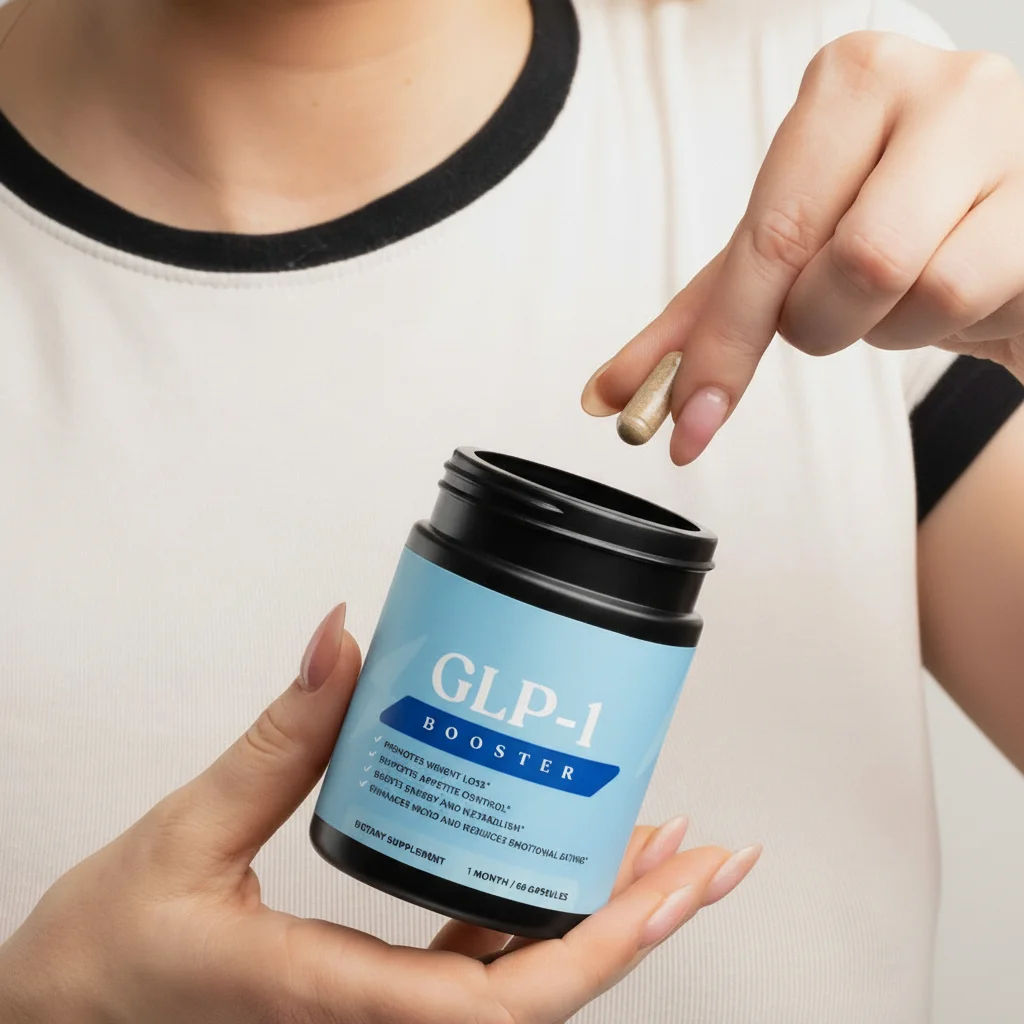
The commercial opportunity created by millions of people on weight loss medications has not gone unnoticed. Hair supplement companies, shampoo brands, and telehealth platforms are actively targeting GLP-1 users with products ranging from $20 supplements to multi-hundred-dollar monthly subscription kits.
Before spending money on anything marketed specifically to GLP-1-related hair loss, ask these questions.
Is there clinical evidence for this product in telogen effluvium specifically? Many hair products are tested on androgenetic alopecia, which has a different mechanism than TE. Results don't always transfer.
Does the product contain ingredients with known deficiency links? Iron, zinc, vitamin D, and amino acids have documented roles in hair health. Exotic proprietary blends often contain these basics plus many additives with little independent research.
Is the price proportional to the evidence? The most evidence-backed options, including minoxidil, protein supplementation, and correcting nutritional deficiencies, are also among the most affordable. Expensive products are not inherently more effective.
Working with a dermatologist or your GLP-1 prescribing provider to build a targeted plan is more valuable than any single product purchase.

No waiting list. No insurance needed.





Frequently Asked Questions
Does Ozempic or Wegovy directly cause hair loss?
Current evidence suggests the hair loss associated with these medications is primarily caused by rapid weight loss rather than a direct effect of semaglutide on hair follicles. Clinical trials did show higher rates of hair loss in treatment groups, but treatment group participants also lost significantly more weight, which alone can trigger a temporary shedding condition called telogen effluvium.
How common is hair loss with GLP-1 medications?
Estimates vary by study and medication, but clinical trial data suggests roughly 3 to 6 percent of people on higher doses of GLP-1 medications report noticeable hair shedding. Many more may experience mild shedding that doesn't rise to the level of a reported adverse event. It is more common in people losing weight quickly.
Will my hair grow back after GLP-1-related hair loss?
In most cases, yes. Telogen effluvium triggered by weight loss is temporary. As your weight stabilizes and nutritional status improves, shedding typically slows within 3 to 6 months and regrowth begins. Full density may take up to 12 months to return, but permanent loss from this cause is uncommon.
What should I eat to prevent hair loss on semaglutide or tirzepatide?
Prioritize protein intake, aiming for at least 1.2 grams per kilogram of body weight daily. Also ensure you are getting adequate iron, zinc, vitamin D, and B vitamins through food or supplements. The appetite suppression from GLP-1 medications can unintentionally reduce intake of these hair-critical nutrients.
Should I stop my GLP-1 medication if I'm losing hair?
Do not stop your medication without speaking to your prescribing provider first. GLP-1 medications offer significant metabolic and cardiovascular benefits, and stopping due to temporary hair shedding may not be the right trade-off. Your provider can help you weigh the benefits against the side effect and explore supportive options.
Can minoxidil help with hair loss caused by GLP-1 medications?
Minoxidil, available over the counter as Rogaine and generic versions, can support hair follicle health during periods of increased shedding. It works by extending the growth phase of follicles. While it won't fix the root cause of GLP-1-associated shedding, many dermatologists consider it a reasonable supportive option during the TE period.
The Bottom Line: Hair Loss Is Manageable, Not a Reason to Quit
Losing hair while losing weight is genuinely distressing, and it deserves to be taken seriously. But the evidence is clear that for most people on GLP-1 medications, this is a temporary and manageable side effect rather than a permanent consequence.
The most powerful thing you can do is address the underlying contributors: protect your protein intake, correct any nutritional deficiencies, and give your body time to adjust to your new stable weight. Those steps cost relatively little compared to the subscription kits and specialty products being marketed to GLP-1 users right now.
That said, if shedding is severe, persists beyond 6 months, or significantly affects your quality of life, a board-certified dermatologist can provide a proper diagnosis and a treatment plan tailored to your situation. Telehealth dermatology services have also made this kind of consultation more accessible and affordable than it used to be.
Work With Your Provider, Not Around Them
Your GLP-1 prescribing provider should know if you're experiencing hair loss. It affects how they monitor your nutritional status and may influence the pace of your dose titration. Don't minimize it in appointments because you feel it's cosmetic. It's a real clinical signal worth tracking.
If you haven't yet found the right provider for your GLP-1 journey, or if you're comparing your options, the Best Providers page on GLP-1.com gives you a side-by-side look at platforms that offer monitoring, follow-up care, and the kind of ongoing support that matters when side effects come up.
Cost is also a real concern for many people navigating GLP-1 treatment. If you're paying out of pocket, check the GLP-1 Coupons page for current savings on brand-name and compounded options. Managing your overall treatment cost can free up budget for genuinely helpful add-ons like a nutritional consultation or dermatology visit.
Hair loss is one chapter in a longer story. For most people, it's a temporary one.