Retatrutide (LY3437943) is an investigational triple-hormone receptor agonist being developed by Eli Lilly for obesity and type 2 diabetes. Unlike single or dual agonists, retatrutide targets three receptors simultaneously: GIP, GLP-1, and glucagon. This triple-action mechanism works by reducing appetite, slowing gastric emptying, improving insulin secretion, and increasing energy expenditure. Retatrutide is administered as a once-weekly injection. Phase 2 clinical trials showed participants lost up to 24.2% of body weight over 48 weeks. Retatrutide is currently in Phase 3 clinical trials and is not yet FDA-approved. There are no generic alternatives for retatrutide.


Receive your prescription at no charge if you are eligible.
You may be able to lower your total cost by filling a greater quantity at one time.
Less expensive drugs that work the same way may be available.
No, retatrutide is not FDA-approved. It is currently in Phase 3 clinical trials (TRIUMPH trials) conducted by Eli Lilly. Based on current timelines, FDA approval could potentially occur in 2026 or 2027, with commercial availability following shortly after. Any products claiming to be retatrutide sold online are unapproved and potentially dangerous.
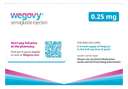
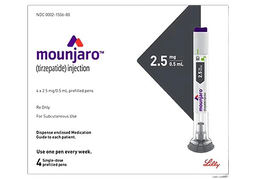
Retatrutide is a "triple agonist" that activates three hormone receptors: GIP, GLP-1, and glucagon. Ozempic (semaglutide) activates only the GLP-1 receptor, while Mounjaro (tirzepatide) activates two receptors (GIP and GLP-1). The addition of glucagon receptor activation may increase energy expenditure and fat burning, potentially leading to greater weight loss.
In Phase 2 clinical trials, participants taking the highest dose (12mg) lost an average of 24.2% of their body weight over 48 weeks. The Phase 3 TRIUMPH-4 trial reported up to 28.7% weight loss at 68 weeks. These results exceed those seen with currently approved GLP-1 medications.
The most frequently reported side effects in clinical trials were gastrointestinal, including nausea, diarrhea, vomiting, and constipation. These side effects were dose-dependent, occurring more frequently at higher doses, and were primarily mild to moderate in severity. Most side effects occurred during the dose escalation period and improved over time.
No. The FDA has warned against purchasing retatrutide from any source, as it is not approved for any use. Compounded versions are illegal and potentially dangerous. The only legitimate way to access retatrutide is through participation in an official Eli Lilly clinical trial.
Based on current Phase 3 trial timelines, Eli Lilly could submit for FDA approval in late 2025 or early 2026. If approved, commercial availability is expected in late 2026 or early 2027. However, delays are possible depending on trial results and FDA review.