
Here's what we'll cover
Here's what we'll cover
More American adults are exploring GLP-1 medications as a new answer to obesity, with clinical studies showing up to 14.9 percent body weight loss using these therapies. Scientific advances are reshaping weight management approaches and bringing new hope for those struggling with traditional methods. This comparison spotlights how GLP-1 medications and long-standing strategies differ, highlighting the advantages, challenges, and safety considerations that matter most to anyone seeking medically-backed results through telehealth.
Key Takeaways
| Point | Details |
|---|---|
| GLP-1 Medications Offer Advanced Solutions | These medications provide a potent alternative to traditional weight loss methods by directly targeting metabolic processes and reducing appetite. |
| Significant Weight Loss Potential | GLP-1 medications can lead to body weight reductions of up to 14.9%, compared to 5-10% with conventional approaches. |
| Lower Dependence on Willpower | Unlike traditional strategies that require significant personal motivation, GLP-1 medications reduce reliance on willpower for weight management. |
| Insurance and Cost Considerations | GLP-1 medications generally have higher upfront costs and variable insurance coverage compared to traditional weight loss methods, which are often more accessible financially. |
What Are GLP-1 Medications and Traditional Methods
Weight loss strategies have dramatically evolved with the emergence of GLP-1 medications, offering a scientifically advanced approach compared to traditional weight management methods. These innovative pharmaceuticals represent a significant breakthrough in addressing obesity by mimicking natural hormonal processes. GLP-1 therapies originally developed for type 2 diabetes management now provide powerful weight loss solutions that work differently from conventional diet and exercise approaches.
Traditional weight loss methods typically involve caloric restriction, physical activity, behavioral modifications, and sometimes surgical interventions. In contrast, GLP-1 receptor agonists function by directly influencing metabolic processes. These medications work by:
- Suppressing appetite signals in the brain
- Slowing gastric emptying to increase feelings of fullness
- Regulating insulin production and blood sugar levels
- Potentially reducing food cravings more effectively than willpower alone
GLP-1 medications represent a paradigm shift in weight management, offering a more physiologically targeted approach. Unlike traditional methods that rely primarily on individual discipline, these medications interact directly with the body’s hormonal systems to support weight reduction. They provide a scientifically engineered solution that addresses weight loss at a metabolic level, making them particularly effective for individuals who have struggled with conventional diet and exercise programs.
Pro Tip: Medical Consultation Strategy: Before starting any weight loss medication, schedule a comprehensive consultation with a healthcare provider who can assess your individual metabolic profile and determine whether GLP-1 medications align with your specific health goals and medical history.
How GLP-1 Medications Aid Weight Loss
GLP-1 medications represent a sophisticated approach to weight management, offering a scientifically engineered solution that goes far beyond traditional diet strategies. These medications stimulate complex metabolic processes that fundamentally transform how the body regulates hunger, energy expenditure, and fat storage. Unlike conventional weight loss methods that rely primarily on willpower, GLP-1 medications interact directly with the body’s hormonal systems to support sustainable weight reduction.
The mechanisms of GLP-1 medications are intricate and multifaceted. They work through several key biological pathways:
- Suppressing appetite by signaling the brain’s hunger centers
- Slowing gastric emptying to increase feelings of prolonged fullness
- Regulating insulin production to stabilize blood sugar levels
- Potentially reducing food cravings more effectively than traditional interventions
Recent clinical research provides compelling evidence of their effectiveness. Studies demonstrate significant body weight reductions among participants using GLP-1 receptor agonists, with some medications enabling patients to lose up to 14.9% of their body weight over extended treatment periods. This is particularly groundbreaking for individuals who have struggled with traditional weight loss approaches, offering a scientifically validated method of metabolic intervention.
Pro Tip: Personalized Weight Loss Strategy: Consult with a healthcare professional to determine whether GLP-1 medications align with your specific metabolic profile, health history, and weight loss objectives, ensuring a targeted and safe approach to achieving your wellness goals.
Traditional Weight Loss Approaches Explained
Traditional weight loss approaches have long been the cornerstone of health and fitness strategies, focusing on fundamental lifestyle modifications to achieve sustainable body weight reduction. These methods typically involve a comprehensive approach that results in modest but meaningful weight loss, generally targeting a 5-10% body weight reduction through carefully coordinated interventions. The core principles of traditional weight management center on creating a balanced approach that integrates diet, physical activity, behavioral changes, and psychological support.
The primary components of traditional weight loss strategies include:
- Dietary modification and caloric restriction
- Regular physical exercise and increased activity levels
- Behavioral therapy and psychological support
- Nutritional education and meal planning
- Tracking and monitoring body weight and metabolic indicators
Diet plays a critical role in traditional weight loss approaches, emphasizing balanced nutrition, portion control, and strategic caloric intake. Nutritionists and healthcare professionals typically recommend personalized meal plans that create a moderate caloric deficit while ensuring essential nutrient intake. Physical activity complements dietary interventions by increasing metabolic rate, building lean muscle mass, and improving overall energy expenditure. These methods require significant personal motivation, consistent effort, and long-term commitment to lifestyle transformation.

The primary challenge with traditional weight loss approaches lies in their dependence on individual willpower and sustained behavioral modification. While effective for some individuals, these methods often struggle with long-term adherence due to complex psychological and physiological barriers. Metabolic adaptation, hormonal influences, and individual genetic variations can significantly impact the success of traditional weight loss strategies, highlighting the need for personalized, comprehensive approaches.
Pro Tip: Personalized Progress Tracking: Develop a comprehensive weight loss journal that documents not just your weight, but also your energy levels, nutritional intake, exercise routines, and emotional well-being to create a holistic understanding of your health transformation journey.
Effectiveness and Safety: GLP-1 vs Traditional
Comparing the effectiveness and safety of GLP-1 medications and traditional weight loss methods reveals significant distinctions in their approach and outcomes. Clinical research demonstrates that GLP-1 receptor agonists offer substantially more powerful weight loss results compared to conventional diet and exercise strategies. While traditional methods typically produce modest 5-10% body weight reductions, advanced GLP-1 medications can achieve up to 14.9% weight loss over relatively short treatment periods.
The key differences between these approaches encompass multiple critical dimensions:
- Biological intervention mechanisms
- Sustained weight loss potential
- Individual metabolic response
- Long-term health impact
- Psychological engagement with weight management
Traditional weight loss strategies rely predominantly on individual willpower, caloric restriction, and consistent physical activity. In contrast, GLP-1 medications directly interact with metabolic pathways, suppressing appetite, regulating insulin production, and modifying fundamental physiological signals. This pharmaceutical intervention provides a more targeted approach, particularly for individuals who have struggled with conventional weight loss methods due to metabolic challenges, hormonal variations, or genetic predispositions.

Safety considerations reveal that while GLP-1 medications introduce pharmaceutical interventions, their side effect profiles are remarkably comparable to traditional approaches. Gastrointestinal symptoms are the most common side effects, but serious adverse events remain relatively rare. The potential benefits of significant weight reduction and associated metabolic improvements often outweigh the minimal risks, especially for individuals with obesity-related health complications.
Here’s a direct comparison of GLP-1 medications and traditional weight loss methods:
| Criteria | GLP-1 Medications | Traditional Methods |
|---|---|---|
| Primary Mechanism | Targets hormonal regulation | Relies on caloric deficit |
| Typical Weight Loss | Up to 14.9% body weight | Around 5-10% body weight |
| Dependence on Willpower | Low, medication-driven | High, self-motivation needed |
| Long-Term Adherence | Requires continued supervision | Challenging, relapse is common |
| Cost Considerations | Higher, requires insurance review | Lower, mostly out-of-pocket |
| Common Side Effects | Gastrointestinal symptoms | Fatigue, muscle soreness |
Pro Tip: Comprehensive Evaluation Strategy: Always consult with a healthcare professional who can conduct a thorough assessment of your individual health profile, metabolic indicators, and weight loss goals before selecting between traditional methods and GLP-1 medication interventions.
Costs, Access, and Insurance Considerations
Navigating the financial landscape of weight loss treatments requires a nuanced understanding of both traditional approaches and emerging pharmaceutical interventions. Recent developments in medication accessibility have highlighted significant challenges in obtaining GLP-1 medications, with cost and insurance coverage emerging as critical barriers for many individuals seeking effective weight management solutions. The complex interplay between pharmaceutical pricing, insurance policies, and individual healthcare needs creates a challenging environment for patients exploring advanced weight loss treatments.
The financial considerations for weight loss strategies vary dramatically:
- Traditional weight loss methods typically involve lower upfront costs
- GLP-1 medications represent a higher initial financial investment
- Insurance coverage remains inconsistent across different providers
- Out-of-pocket expenses can range significantly between treatment approaches
- Potential long-term healthcare savings must be weighed against immediate costs
Traditional weight loss approaches generally present lower financial barriers, with costs primarily associated with gym memberships, nutritional counseling, and dietary modifications. In contrast, GLP-1 medications require substantial financial commitment, with monthly treatments potentially costing several hundred dollars without comprehensive insurance coverage. The economic calculus becomes particularly complex when considering the potential long-term health benefits and reduced medical complications associated with successful weight management.
Insurance landscapes continue to evolve, with many providers gradually expanding coverage for GLP-1 medications as evidence mounts regarding their effectiveness in managing obesity and related metabolic conditions. Patients must navigate a complex system of prior authorizations, medical documentation, and specific clinical criteria to qualify for medication coverage. This process often requires persistent communication with healthcare providers and insurance representatives to secure appropriate treatment options.
Use this summary to understand cost and insurance dynamics for each approach:
| Aspect | GLP-1 Medications | Traditional Methods |
|---|---|---|
| Initial Cost | High (often hundreds monthly) | Low (diet, gym fees, coaching) |
| Insurance Coverage | Variable, often requires approval | Rarely needed, minimal coverage |
| Financial Barriers | Prior authorizations, documentation | Affordable, widely accessible |
| Long-Term Savings | Potentially lowers health expenses | May reduce future health risks |
Pro Tip: Financial Navigation Strategy: Develop a comprehensive approach by comparing total treatment costs, potential insurance coverage, and long-term health benefits before selecting a weight loss strategy, and always request detailed cost breakdowns from both healthcare providers and insurance representatives.
Discover the Right Weight Loss Path for You Today
The challenge of choosing between GLP-1 medications and traditional weight loss methods is real and personal. You face the frustration of repeated diets and exercise with limited results or the uncertainty around pharmaceutical options. If you want a sustainable, science-backed solution that addresses metabolic hurdles and appetite regulation, learning more about GLP-1 therapies can transform your weight loss journey. Understanding terms like hormonal regulation and gastric emptying is essential to see how these medications work differently from traditional calorie-based approaches.
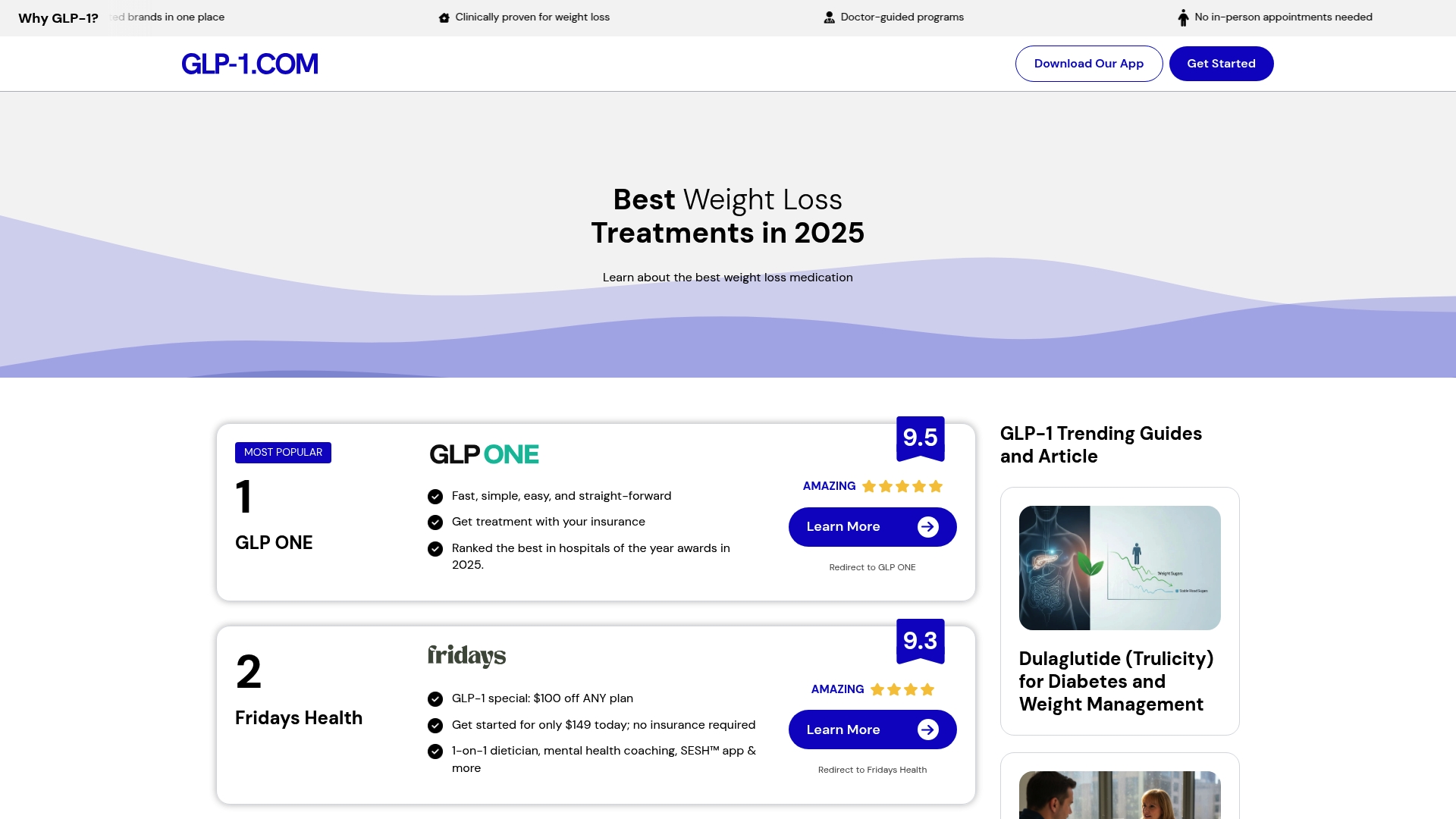
Take control of your health now by exploring effective options at Best Weight Loss Medications. Get personalized guidance on FDA-approved GLP-1 agonists such as Ozempic, Wegovy, and Mounjaro. Visit GLP-1.com to assess your suitability, discover telehealth prescriptions, and gain access to medication affordability programs. Begin your path toward lasting weight loss success by choosing a method that fits your unique metabolic profile and long-term goals.
Frequently Asked Questions
What are GLP-1 medications and how do they work for weight loss?
GLP-1 medications are drugs that mimic natural hormones in the body to help regulate appetite, slow gastric emptying, and regulate insulin production, leading to significant weight loss by suppressing hunger and cravings.
How do GLP-1 medications compare to traditional weight loss methods?
GLP-1 medications often lead to greater weight loss (up to 14.9% body weight) compared to traditional methods, which typically achieve 5-10% body weight reduction through diet and exercise.
Are GLP-1 medications safe for long-term use?
While GLP-1 medications do have side effects, primarily gastrointestinal symptoms, they are generally considered safe with minimal serious risks for individuals struggling with obesity and related health conditions.
Do GLP-1 medications require lifestyle changes?
Yes, while GLP-1 medications can significantly aid weight loss, they are most effective when combined with lifestyle changes such as dietary modifications and increased physical activity to support overall health and weight management.
Recommended

No waiting list. No insurance needed.