Table of Contents
GLP-1 medications such as Ozempic, Wegovy, Mounjaro, and Zepbound are best known for treating diabetes and helping with weight loss. But many people using these medications unexpectedly report improvements in menstrual regularity, ovulation, and overall fertility. This has led clinicians and researchers to explore a key question: can GLP-1 medications actually improve fertility?
While GLP-1 drugs are not formally approved as fertility treatments, evidence suggests they may support reproductive health in individuals whose fertility challenges are linked to insulin resistance, obesity, PCOS, or metabolic inflammation.
How Metabolism and Fertility Are Connected
Reproductive hormones and metabolic hormones are tightly linked. When insulin, inflammation, blood sugar, or body weight shift significantly, the reproductive system often responds.
Many fertility challenges stem from metabolic disruptions such as:
• Insulin resistance
• High fasting insulin
• PCOS and elevated androgens
• Chronic inflammation
• Leptin resistance from excess body fat
• Irregular menstrual cycles
• Weight gain or rapid weight cycling
These factors interfere with ovarian function, ovulation timing, endometrial receptivity, and hormone balance. Improving metabolic health is one of the most effective pathways to improving fertility in high-risk individuals.
How GLP-1 Medications May Support Fertility
GLP-1 drugs work by improving insulin sensitivity, reducing appetite, lowering inflammation, and supporting fat loss. These same improvements can directly influence reproductive function.
Below are the most important ways GLP-1 medications may help.
1. Improved Insulin Resistance and Lower Fasting Insulin
High insulin levels disrupt ovulation by stimulating excess androgen production in the ovaries. GLP-1 medications meaningfully reduce insulin resistance.
Benefits include:
• Lower fasting insulin
• More predictable ovulation
• Reduced ovarian androgen production
• Better endometrial environment
Insulin improvements alone can restore regular cycles in many individuals.
2. Reduced Androgens in PCOS
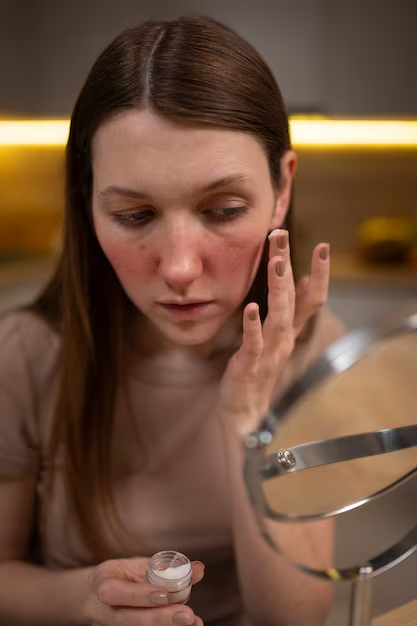
In PCOS, insulin drives high testosterone levels, leading to acne, irregular cycles, and anovulation. By lowering insulin, GLP-1 drugs may indirectly reduce androgen production.
People often report:
• More regular periods
• Reduced acne
• Lower facial or body hair growth
• Improved ovulation quality
This is one of the largest fertility-related benefits reported by PCOS patients.
3. Weight Loss That Supports Reproductive Hormones
Excess body fat contributes to estrogen imbalance and ovulatory dysfunction. Even modest weight loss improves fertility.
GLP-1 medications consistently produce:
• Five to fifteen percent weight loss
• Reduced abdominal fat
• Better leptin and ghrelin balance
• Improved menstrual regularity
These changes are strongly associated with increased chances of conception naturally or through IVF.
4. Reduced Chronic Inflammation
High inflammation is linked to poor egg quality, disrupted ovulation, uterine lining dysfunction, and higher miscarriage risk.
GLP-1 medications help reduce inflammation markers by:
• Lowering blood sugar fluctuations
• Reducing visceral fat
• Improving gut hormone signaling
Lower inflammation supports a healthier reproductive environment.
5. Improved Ovulation Quality
While GLP-1 drugs do not directly stimulate ovulation, they create conditions for stronger, more reliable ovulation by:
• Lowering insulin
• Reducing inflammation
• Improving hormone signaling
Many patients report clearer ovulation symptoms and more predictable cycle timing after several months on medication.
6. Better Egg Quality Through Metabolic Health
Egg quality is influenced by oxidative stress, insulin levels, and inflammation.
GLP-1 medications may improve egg quality by:
• Reducing free radical stress
• Stabilizing glucose swings
• Lowering insulin levels
While research is early, metabolic improvements are linked to better egg development.
Do GLP-1 Medications Increase Fertility Directly?
There is no evidence that GLP-1 drugs direct stimulate fertility hormones. Instead, they work by improving the metabolic environment that supports fertility.
Clinicians commonly see fertility improvements in patients with:
• PCOS
• Insulin resistance
• Prediabetes
• Higher BMI
• Irregular cycles due to metabolic causes
These improvements are indirect but meaningful.
What the Research Says About GLP-1 and Fertility
Clinical data is growing, especially for PCOS.
1. GLP-1 medications improve ovulation in PCOS
Multiple trials show semaglutide and liraglutide improve:
• Cycle regularity
• Ovulation frequency
• Weight loss
• Insulin sensitivity
Some studies show GLP-1 medications outperform metformin for restoring ovulation.
2. Weight loss enhances fertility success rates
Weight loss from GLP-1 therapy is linked to:
• Improved natural conception rates
• Better IVF outcomes
• Lower miscarriage risk
Even a five percent reduction improves outcomes.
3. GLP-1 drugs may reduce miscarriage associated with insulin resistance
High insulin increases early pregnancy loss. Lower insulin levels improve early embryo development.
When GLP-1 Medications Should Not Be Used for Fertility
Despite potential benefits, GLP-1 drugs must be stopped before pregnancy.
People should not use GLP-1 medications if:
• They are pregnant
• They are trying to conceive actively
• They are undergoing IVF transfer soon
Most clinicians require stopping:
• Two months before trying to conceive for semaglutide
• Two months before for tirzepatide
This allows the medication to clear fully from the body.
When GLP-1 Drugs May Help Before Pregnancy
These medications may be helpful before trying to conceive in patients who need several months to optimize metabolic health.
Examples include:
• PCOS-related ovulation issues
• Insulin resistance and elevated fasting insulin
• Obesity or significant weight gain
• Infertility linked to irregular cycles
• Failed IVF cycles due to metabolic issues
In these cases, GLP-1 medications may be used short term with a clear stop timeline.
Do GLP-1 Medications Affect Sperm or Male Fertility?
Data is early but positive. In men with obesity or insulin resistance, GLP-1 therapy may support:
• Higher testosterone
• Lower inflammation
• Improved sperm motility
• Improved sexual function
Weight loss alone improves fertility parameters in men significantly.
Risks and Considerations
GLP-1 drugs must be used carefully when fertility is a goal.
Potential concerns include:
• Early pregnancy exposure
• Rapid weight loss that disrupts cycles
• GI side effects affecting nutrition
• Delay in cycle tracking accuracy during adjustment
These are manageable but require supervision.
Frequently Asked Questions
Can GLP-1 medications restore ovulation?
Yes, especially in people with PCOS or insulin resistance, but they are not direct ovulation stimulators.
Can I use Ozempic while trying to get pregnant?
No. All GLP-1 medications should be stopped at least two months before attempting conception.
Do GLP-1 drugs help with egg quality?
Indirectly, by improving metabolic and inflammatory factors associated with egg development.
Can GLP-1 medications improve IVF results?
They may improve metabolic health beforehand, which can increase chances of success.
Can men use GLP-1 drugs for fertility?
Yes. Weight loss and improved insulin sensitivity may improve sperm parameters.
Conclusion
GLP-1 medications are not fertility drugs, but they can significantly improve the metabolic conditions that support fertility. For people with PCOS, insulin resistance, obesity, or inflammation-driven reproductive challenges, these medications may help restore ovulation, regulate cycles, and create a healthier hormonal environment before pregnancy. However, they must be stopped before actively trying to conceive.
When used strategically and under medical guidance, GLP-1 medications can be a valuable tool in improving fertility outcomes for high-risk individuals.