Table of Contents
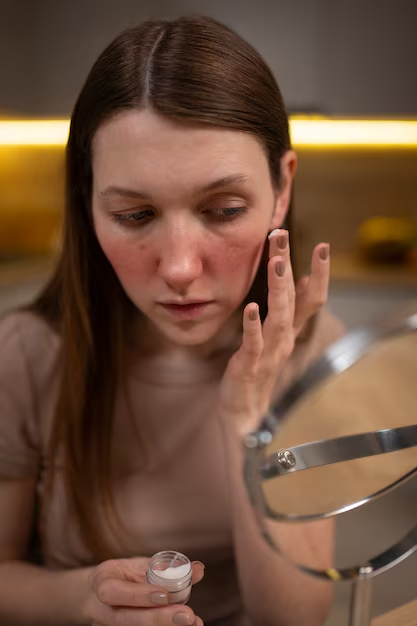
As Ozempic use becomes more widespread, many people notice changes beyond appetite and weight. One concern that frequently arises is the appearance of new skin breakouts, including acne on the face, jawline, chest, or back.
For individuals who have not struggled with acne in years, these changes can feel unexpected and frustrating. In most cases, skin breakouts during Ozempic use are not caused directly by the medication. Instead, they reflect the body’s response to hormonal shifts, changes in nutrition, and rapid weight loss.
What Types of Skin Breakouts Are Reported
Skin changes vary from person to person. Some users report mild changes, while others notice more persistent breakouts.
Common patterns include:
• small inflammatory pimples
• jawline or chin acne
• back or chest breakouts
• increased oiliness or dryness
• slower skin healing
These changes often appear gradually rather than immediately after starting Ozempic.
Is Ozempic Directly Causing Acne
There is no evidence that Ozempic directly triggers acne formation. Semaglutide does not stimulate oil glands or directly alter skin cells.
Instead, breakouts are usually indirect and related to systemic changes occurring during weight loss and metabolic adjustment.
Key contributing factors include:
• hormonal shifts
• changes in insulin signaling
• nutritional intake changes
• stress on the body from rapid weight loss
Understanding these contributors helps clarify why breakouts may appear during treatment.
Hormonal Changes During Weight Loss
Weight loss affects hormone signaling throughout the body. Fat tissue plays an active role in hormone storage and metabolism.
During weight loss:
• estrogen levels may fluctuate
• androgen balance can shift
• cortisol levels may rise temporarily
• insulin levels decrease
These hormonal adjustments can influence oil production and inflammation in the skin.
Insulin Sensitivity and Skin Health
Ozempic improves insulin sensitivity and lowers circulating insulin levels. While this is beneficial for metabolic health, insulin changes can affect the skin during the adjustment period.
Insulin related skin effects may include:
• temporary increase in breakouts
• changes in oil production
• altered inflammatory response
As insulin signaling stabilizes, skin often improves.
The Role of Rapid Weight Loss
Rapid weight loss places stress on multiple systems, including the skin.
Potential effects include:
• increased cortisol release
• temporary inflammation
• reduced nutrient availability to skin
• slower skin barrier repair
These changes are usually temporary and resolve as weight loss slows.
Nutrition Changes and Skin Breakouts
Appetite suppression can unintentionally reduce intake of key nutrients important for skin health.
Skin relevant nutrients include:
• protein
• zinc
• vitamin A
• vitamin B complex
• essential fatty acids
Low intake can impair skin repair and oil balance.
Protein Intake and Skin Repair
Protein supports collagen production and skin healing. Low protein intake can make skin more prone to irritation and breakouts.
Inadequate protein may lead to:
• slower acne healing
• weakened skin barrier
• increased inflammation
Intentional protein intake is especially important during weight loss.
Gut Health and Skin Changes
Digestive changes on Ozempic can affect gut microbiota, which plays a role in skin inflammation.
Possible gut related effects include:
• changes in bowel habits
• altered nutrient absorption
• increased skin sensitivity
Supporting digestion often improves skin symptoms.
Timing of Breakouts on Ozempic
Skin changes typically do not occur immediately.
Common timing patterns include:
• onset within two to four months
• coinciding with noticeable weight loss
• fluctuating during dose increases
Breakouts often improve as weight stabilizes.
Who Is More Likely to Experience Breakouts
Not everyone experiences skin changes.
Higher likelihood is seen in individuals who:
• lose weight quickly
• have a history of acne
• consume very low calories
• experience hormonal sensitivity
• increase stress levels
Individual skin type plays a role.
How to Support Skin Health During Ozempic Use
Skin breakouts can often be managed with supportive care.
Helpful strategies include:
• ensuring adequate protein intake
• avoiding extreme calorie restriction
• maintaining hydration
• choosing nutrient dense foods
• managing stress
Supporting overall health supports skin health.
Nutrition Strategies That Support Clear Skin
Small nutrition adjustments can help reduce breakouts.
Consider:
• balanced meals with protein
• adequate healthy fats
• limiting highly processed foods
• consistent meal timing
Balanced intake reduces inflammatory triggers.
Skin Care Practices During Weight Loss
Gentle skincare reduces irritation while the body adapts.
Helpful practices include:
• using mild cleansers
• avoiding over exfoliation
• keeping routines simple
• protecting skin barrier
Aggressive treatments may worsen breakouts.
When to Seek Medical Guidance
Medical evaluation may be helpful if breakouts are:
• severe or painful
• persistent despite supportive care
• accompanied by other symptoms
• affecting emotional well being
A clinician can assess hormonal or nutritional contributors.
Will Skin Breakouts Improve Over Time
In most cases, skin improves as the body adapts.
Typical patterns include:
• improvement as weight loss slows
• reduced breakouts after dose stabilization
• better skin with improved nutrition
Skin changes related to weight loss are often temporary.
Frequently Asked Questions
Does Ozempic directly cause acne?
No. Breakouts are usually indirect and related to weight loss changes.
Will breakouts go away on their own?
Often yes, especially with supportive care.
Should I stop Ozempic because of acne?
Usually no. Symptoms are often manageable.
Can supplements help with breakouts?
Only if deficiencies are present. Testing is recommended.
Does faster weight loss increase breakouts?
Rapid weight loss can increase the likelihood temporarily.
Conclusion
Skin breakouts during Ozempic use are commonly reported and usually reflect hormonal shifts, nutritional changes, and the stress of rapid weight loss rather than a direct medication effect. Insulin sensitivity changes, cortisol fluctuations, and reduced nutrient intake all play a role.
With adequate nutrition, gentle skincare, and time, most people see improvement. Understanding the cause helps reduce concern and supports continued success with Ozempic treatment.