Table of Contents
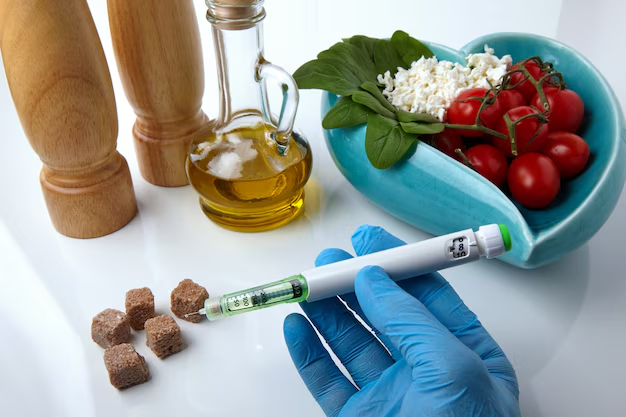
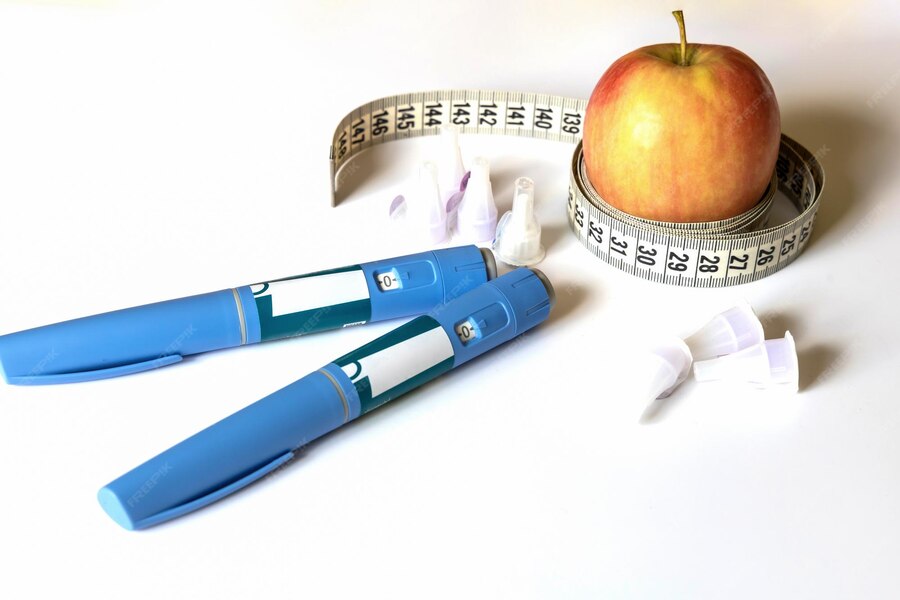
GLP-1 medications such as Ozempic, Wegovy, Mounjaro, and Zepbound are helping many men lose significant weight by reducing appetite, improving metabolic health, and lowering blood sugar. While these medications are effective for fat loss, they can also reduce food intake dramatically and increase the risk of losing muscle mass if protein and resistance training are not prioritized.
Because of this, many men want to know whether supplements such as creatine, whey protein, electrolytes, omega-3s, and multivitamins can help support strength, energy, and body composition while using GLP-1 medications.
The short answer is yes. Strategic supplementation can make the weight-loss process healthier by supporting muscle retention, hormonal balance, and athletic performance.
Why Supplements Can Help Men on GLP-1 Medications
GLP-1 therapy changes appetite, digestion, and metabolism. While most of these changes are beneficial, they can also increase the likelihood of nutrient gaps or unintentional muscle loss.
Men taking GLP-1 medications commonly experience:
• smaller appetites that lower overall protein intake
• less desire for high-calorie but nutrient-dense foods like meat
• fatigue during rapid weight loss phases
• increased dehydration from appetite and thirst changes
• slower recovery from workouts
• reduced muscle mass if protein intake is too low
This is where creatine, quality protein, and targeted supplements become useful.
Creatine: The Most Important Supplement for Men on GLP-1 Therapy
Creatine is one of the most researched supplements in sports nutrition. It supports energy production, strength, and muscle retention. For men taking GLP-1 medications, creatine may be especially valuable because it can protect lean mass during weight loss.
Benefits of Creatine for Men on GLP-1 Medications
• supports muscle strength during calorie deficits
• helps prevent muscle loss during weight reduction
• improves workout performance even with lower calorie intake
• supports brain health and cognitive function
• helps maintain metabolic rate by preserving lean tissue
Creatine can also help men maintain their desired physique while fat loss accelerates on GLP-1 therapy.
Is Creatine Safe With GLP-1 Medications
Yes. Research shows creatine is safe for healthy adults and does not interfere with GLP-1 medications. Men with existing kidney disease, however, should speak with a clinician before starting.
How to Take Creatine
The most common and effective form is creatine monohydrate.
Typical dosage:
• 3 to 5 grams daily
No loading phase is required, although some men choose to load with 20 grams daily for the first week.
Does Creatine Cause Water Retention
Creatine draws water into muscle cells, not the belly or face. This is cellular hydration, not bloating. Most men find this effect visually enhances muscle fullness, even while losing fat on GLP-1 therapy.
Protein: Essential for Muscle Protection During Weight Loss
Men using GLP-1 medications sometimes struggle to meet daily protein targets because appetite decreases. Low protein intake is one of the fastest ways to lose muscle mass during weight loss.
Protein supports:
• muscle recovery and growth
• energy levels
• testosterone production
• metabolic rate
• satiety and appetite control
Most men need 0.8 to 1 gram of protein per pound of goal body weight, especially while losing weight.
Best Protein Sources for Men on GLP-1 Therapy
• whey protein isolate
• Greek yogurt or cottage cheese
• lean chicken, turkey, or beef
• fish and seafood
• egg whites or whole eggs
• plant-based protein powders
Protein shakes are extremely helpful because many men struggle to eat large protein-rich meals on GLP-1 medications.
When to Use Protein Supplements
Protein powder is beneficial:
• after workouts
• in the morning when appetite is low
• as a snack to boost intake
• during rapid weight loss phases
For men who want to maintain muscle while losing fat, protein is non-negotiable.
Electrolytes: Preventing Fatigue and Dehydration
GLP-1 medications reduce hunger and thirst signals. Some men unintentionally drink too little water, which leads to dehydration and dizziness.
Electrolytes support:
• hydration
• energy
• muscle function
• healthy blood pressure levels
When Electrolytes Are Most Helpful
• during the first 8 weeks of treatment
• during dose increases
• after intense workouts
• in hot climates
Look for electrolytes without excessive sugar. Sodium, potassium, and magnesium are most important.
Magnesium: Supports Recovery and Digestion
Magnesium helps regulate muscle recovery, sleep quality, and bowel regularity. Since GLP-1 medications slow digestion, magnesium can prevent uncomfortable constipation.
Benefits include:
• better sleep
• reduced muscle tightness
• improved digestion
• lower stress levels
Forms such as magnesium glycinate or citrate are generally the best tolerated.
Omega-3 Fatty Acids: Heart and Hormone Support
Omega-3 supplements such as fish oil support cardiovascular health, reduce inflammation, and may help preserve lean mass.
Men on GLP-1 medications may benefit from omega-3s because they help with:
• heart health
• inflammation control
• exercise recovery
• brain health
Multivitamins: Filling Nutrient Gaps From Low Appetite
Lower appetite can reduce overall nutrient intake. A high-quality multivitamin supports essential nutrient levels, including vitamins D, B12, and zinc, all of which support energy and testosterone production.
A multivitamin helps ensure men do not develop deficiencies while eating fewer calories.
Pre-Workout Supplements: Safe or Not
Pre-workout supplements can be used cautiously while on GLP-1 medications. The biggest concern is taking them on an empty stomach, which may increase nausea.
Choose options that contain:
• moderate caffeine
• electrolytes
• beta-alanine (optional)
Avoid pre-workouts with extreme stimulants, especially if appetite is low.
Supplements to Avoid or Use Carefully
Most supplements are safe with GLP-1 therapy, but some require caution.
Use carefully or avoid:
• high-dose stimulant fat burners
• herbal blends with unknown ingredients
• excessive caffeine
• very high-dose vitamin A
These products may increase nausea, heart rate, or digestive discomfort.
How Men Can Build Muscle While Taking GLP-1 Medications
Muscle building is absolutely possible with GLP-1 therapy when protein intake and resistance training are consistent.
Key strategies:
• strength train 2 to 4 times weekly
• eat adequate protein at every meal
• use creatine daily
• get enough sleep
• stay hydrated
Men who follow this approach often gain or maintain muscle even during fat loss phases.
Frequently Asked Questions
Can you take creatine while on Ozempic or Mounjaro
Yes. Creatine is safe and effective for most men who are medically cleared.
Do supplements interfere with GLP-1 medications
Most do not. The main concern is nausea, so timing matters.
Is protein powder safe
Yes. It is one of the easiest ways to maintain protein intake with a smaller appetite.
Will creatine cause bloating
No. It increases water inside muscle cells, not the stomach.
Should men take supplements even if not working out
Protein, electrolytes, and a multivitamin can still help maintain muscle and energy.
Conclusion
Creatine, protein, electrolytes, magnesium, omega-3s, and multivitamins can help men maintain strength, energy, and muscle mass while using GLP-1 medications. Because these medications reduce appetite and slow digestion, supplements help fill nutritional gaps and support healthy body composition during weight loss.
When used appropriately, supplements make the GLP-1 experience smoother, safer, and more effective, especially for men who want to protect or build muscle while losing fat.