

Here's what we'll cover
Here's what we'll cover
Over 34 million American adults are living with diabetes, yet many struggle to find the right medication for lasting control. Choosing an effective treatment matters because uncontrolled blood sugar leads to serious health risks. This guide breaks down the essential steps for healthcare providers to assess, prescribe, and monitor GLP-1 therapy so that American patients receive care tailored to their unique needs.
Step 1: Assess Patient Eligibility for GLP-1 Therapy
Assessing patient eligibility for GLP-1 therapy requires a systematic review of medical history, current health status, and specific diagnostic criteria. Healthcare providers must carefully evaluate multiple factors to determine whether a patient qualifies for these specialized medications.
The initial assessment involves reviewing a patient’s type 2 diabetes management history and glycemic control markers. According to New Jersey's Division of Medical Assistance and Health Services, patients generally must have an HbA1c measurement of 7% or higher within the past six months to be considered for GLP-1 therapy under Medicaid prior authorization criteria. Providers should specifically examine:
Beyond glycemic markers, providers must also consider patient-specific factors such as body mass index, cardiovascular risk, kidney function, and potential drug interactions. A comprehensive medical evaluation helps determine whether GLP-1 receptor agonists represent an appropriate treatment strategy for the individual patient.
Pro Tip: Create a standardized patient screening checklist that includes all eligibility criteria to streamline the assessment process and ensure no critical factors are overlooked during initial evaluation.
Step 2: Collect Necessary Clinical Information and Health Data
Collecting comprehensive clinical information is a critical step in determining a patient’s suitability for GLP-1 therapy. Healthcare providers must systematically gather and analyze detailed medical data to make informed treatment decisions.
The clinical information collection process requires a thorough approach that goes beyond standard medical record review. Healthcare providers should conduct a comprehensive medical history assessment that includes detailed screening for potential contraindications and risk factors. Key components of this assessment involve:
Additionally, collecting comprehensive clinical data such as body mass index, existing comorbidities, and previous treatment responses enables providers to tailor GLP-1 therapy more effectively. Critical laboratory tests should include HbA1c measurements, renal function panels, and comprehensive lipid profiles to establish a baseline understanding of the patient’s metabolic health.
Pro Tip: Develop a standardized clinical information collection template that ensures consistent and comprehensive data gathering across all potential GLP-1 therapy candidates.
Step 3: Initiate Telehealth Consultation and Review Medical History
Initiating a telehealth consultation represents a critical first step in evaluating patient eligibility for GLP-1 therapy. Healthcare providers must create a comprehensive and thorough virtual environment that allows for detailed medical history exploration and patient assessment.
Telehealth consultations should include a comprehensive review of the patient’s medical background, with special attention to potential risk factors and medical conditions. Providers need to carefully examine specific medical histories, paying close attention to:
The telehealth consultation serves as an essential platform for discussing treatment goals, patient education, and comprehensive care delivery. During this virtual interaction, healthcare providers should create an open dialogue that allows patients to share detailed medical information, ask questions, and understand the potential benefits and risks of GLP-1 therapy.
Pro Tip: Develop a structured digital intake questionnaire that patients can complete before the telehealth consultation to streamline medical history collection and maximize consultation efficiency.
This table contrasts in-person vs. telehealth approaches for GLP-1 patient assessment:
FeatureIn-Person VisitTelehealth ConsultationMedical History ReviewDirect interview and document checksRemote questionnaire and video reviewPatient EngagementFace-to-face communicationDigital tools, chat, and video callData CollectionOn-site labs, physical examRequires prior local labs, patient inputFollow-Up FlexibilityScheduled clinic visitsVirtual check-ins, greater flexibility
Step 4: Prescribe GLP-1 Medication and Explain Usage Protocol
Prescribing GLP-1 medication requires a systematic and patient centered approach that balances clinical precision with comprehensive patient education. Healthcare providers must carefully select the most appropriate medication and develop a clear treatment strategy tailored to individual patient needs.
Providers should initiate GLP-1 therapy by selecting appropriate agents and implementing a gradual dosing strategy that allows for careful patient adaptation. The prescription process involves several critical components:
During the consultation, healthcare providers should engage in a comprehensive discussion that covers medication usage, potential interactions, and realistic treatment expectations. This approach ensures patients understand the medication protocol, potential benefits, and necessary lifestyle modifications that support optimal treatment outcomes.

Pro Tip: Create a standardized patient education packet with visual dosing guides and clear written instructions to support patient understanding and medication adherence.
Step 5: Monitor Patient Progress and Manage Follow-Up Care
Monitoring patient progress represents a critical phase in GLP-1 therapy that ensures ongoing treatment effectiveness and patient safety. Healthcare providers must implement a comprehensive tracking system that captures multiple dimensions of patient health and treatment response.
Ongoing follow up care requires systematic monitoring of patient outcomes, including precise tracking of weight changes, glycemic control parameters, and patient reported treatment experiences. The follow up process should include:
Successful follow up care requires a dynamic and personalized approach that adapts to individual patient responses. Healthcare providers should schedule consistent check ins, utilize telehealth platforms when appropriate, and maintain open communication channels that encourage patient engagement and transparent reporting of treatment experiences.

Pro Tip: Implement a digital tracking system that allows patients to input self monitoring data between official medical consultations, enabling more comprehensive and real time treatment assessment.
Here is a summary of key clinical evaluation elements at each step:
StepPrimary FocusCritical ActionsEligibilityDiabetes control and historyReview HbA1c, assess medication toleranceInformation CollectionRisk screening and baseline labsDocument history, perform lab panelsTelehealth ReviewCondition verification and educationExplore past diagnoses, discuss goalsPrescriptionMedication selection and educationInitiate therapy, outline dosing planMonitoringTreatment adaptationTrack lab trends, review patient feedback
Simplify Your GLP-1 Prescription Process with Expert Support
Navigating the complex steps of assessing patient eligibility, collecting clinical data, initiating telehealth consultations, prescribing GLP-1 medications, and monitoring progress can be overwhelming. The article highlights key challenges providers face such as comprehensive risk screening, dose management, and effective patient engagement. If you are looking to streamline these steps and ensure your patients receive tailored, evidence-based care with confidence
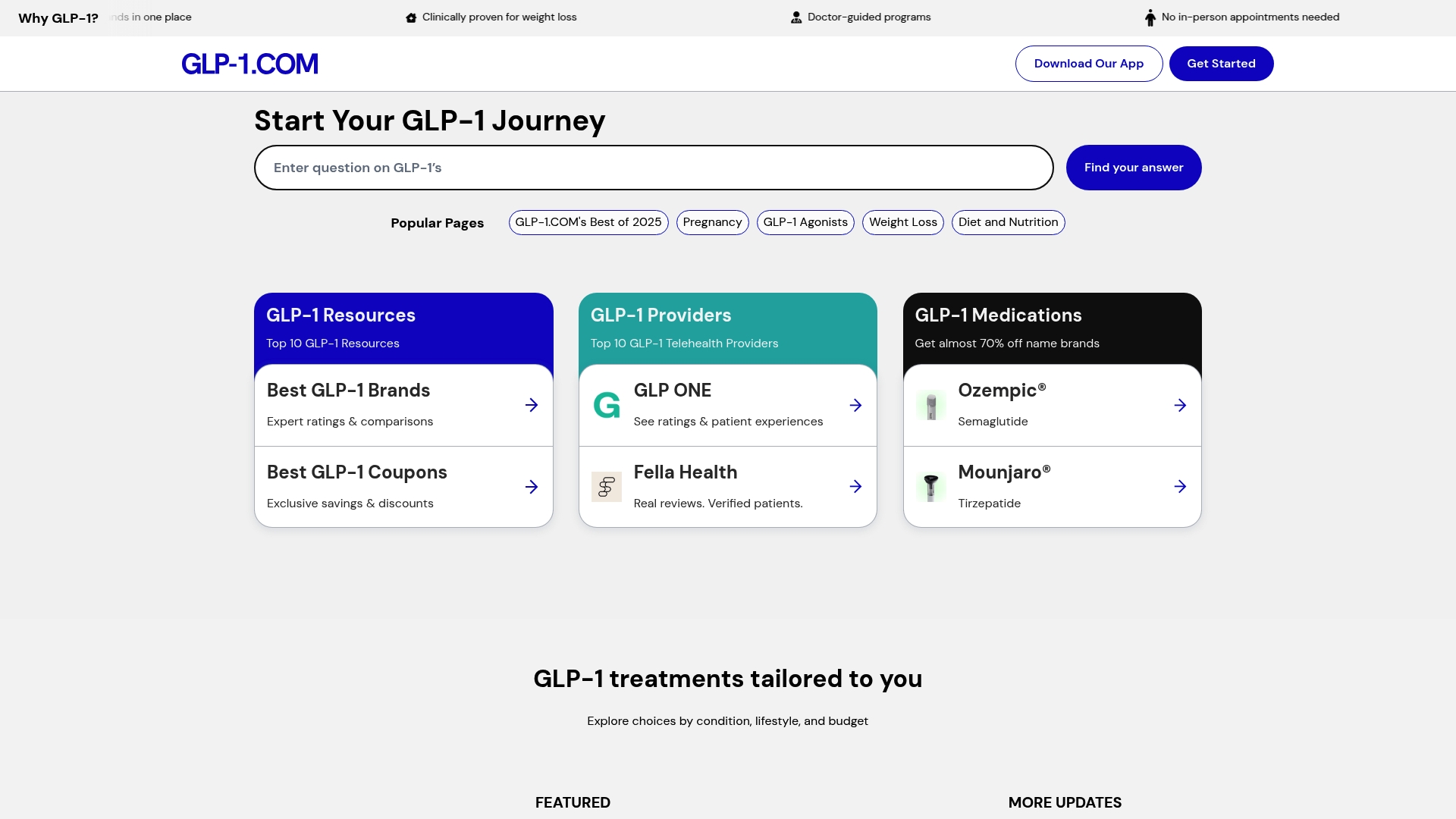
Discover how GLP-1.com offers a trusted platform that integrates education and telehealth services designed to support healthcare providers and patients alike. Access detailed clinical insights, connect your patients to FDA-approved medications, and leverage expert-led programs that simplify dosing and follow-up care. Take the next step today by exploring comprehensive resources and telemedicine options available at GLP-1.com and empower your clinical practice to deliver effective GLP-1 therapy with ease.

No waiting list. No insurance needed.






Frequently Asked Questions
How do I assess patient eligibility for GLP-1 therapy?
To assess patient eligibility for GLP-1 therapy, review the patient’s medical history, focusing on their type 2 diabetes management. Check their HbA1c levels, current blood glucose, and responses to previous treatments to determine if they meet the criteria for starting therapy.
What clinical information should I collect for GLP-1 therapy?
Collect comprehensive clinical information, including complete medical history, laboratory test results, and screening for contraindications. Ensure you assess factors such as body mass index, existing comorbidities, and potential gastrointestinal issues to tailor the therapy effectively.
How can I conduct a telehealth consultation for GLP-1 therapy?
To conduct a telehealth consultation, utilize a structured digital intake questionnaire to gather the patient’s medical history. Review this information during the virtual appointment, discussing treatment goals, potential risks, and medication usage with the patient to ensure informed consent.
What steps do I take to prescribe GLP-1 medication?
Start by selecting the appropriate GLP-1 medication at the lowest recommended dose and establish a dose escalation plan based on patient tolerance. Provide detailed instructions for administration and discuss potential side effects, ensuring patients understand how to manage them.
How do I monitor a patient’s progress on GLP-1 therapy?
To monitor patient progress, schedule regular follow-up appointments to track weight changes, blood glucose levels, and patient-reported side effects. Leverage feedback gathered through digital self-monitoring systems to adjust treatment plans based on real-time data.
What should a follow-up care plan for GLP-1 therapy include?
A follow-up care plan should incorporate consistent check-ins, monitoring of metabolic parameters, and open communication for patient feedback. Aim for a comprehensive assessment every 30–90 days to evaluate treatment effectiveness and any adjustments needed.