Table of Contents
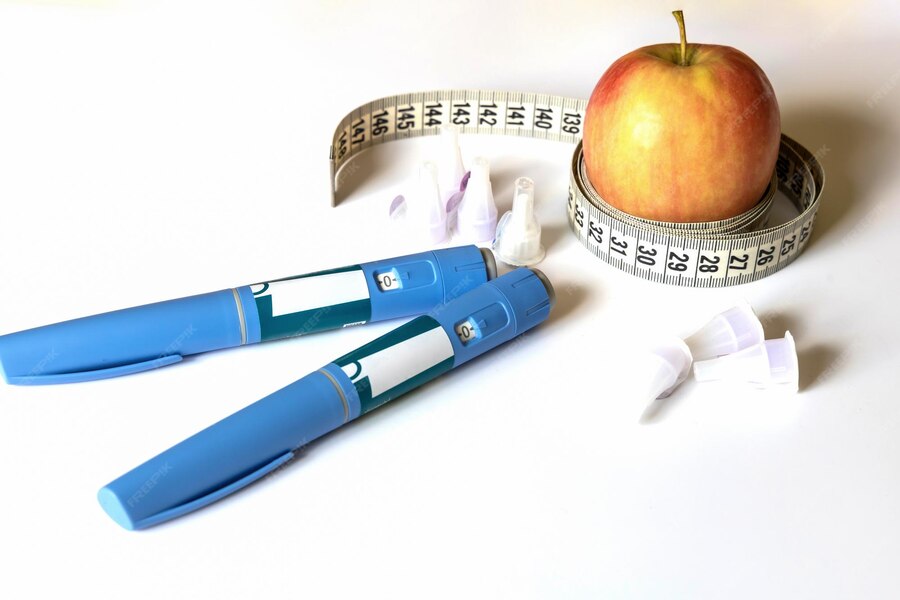
GLP-1 medications such as Ozempic, Wegovy, Mounjaro, and Zepbound are designed to be increased gradually. Many men assume that higher doses automatically lead to better results, but that is not always true. In reality, the correct GLP-1 dose is highly individual and depends on appetite control, side effects, metabolic response, and lifestyle factors.
Some men reach excellent results at low or moderate doses, while others require higher doses to achieve the same effects. Increasing too quickly or going higher than necessary can lead to unnecessary side effects without added benefit.
Why GLP-1 Dosing Is Individualized
GLP-1 medications work by influencing appetite signals, digestion speed, and blood sugar regulation. These systems vary significantly from person to person.
Factors that affect dose response include:
• starting insulin resistance
• baseline appetite and eating habits
• muscle mass and activity level
• body fat distribution
• medication sensitivity
• side effect tolerance
Because of these differences, there is no single “correct” dose that works for all men.
What the Goal of GLP-1 Dosing Really Is
The goal of GLP-1 therapy is not maximum appetite suppression. The goal is consistent, sustainable metabolic improvement.
An effective dose should provide:
• reduced hunger without complete appetite loss
• early fullness with normal meals
• stable energy throughout the day
• manageable or minimal side effects
• steady, predictable weight loss
If these outcomes are present, dose escalation may not be necessary.
Key Signs You Have Reached the Right GLP-1 Dose
Many men recognize they have reached the correct dose when several markers align at the same time.
1. Appetite Is Controlled but Not Eliminated
You feel satisfied with smaller meals but still experience hunger when appropriate.
Signs include:
• less constant food noise
• easier portion control
• no need to force meals
• ability to enjoy food without overeating
Complete appetite suppression often leads to fatigue and muscle loss.
2. Weight Loss Is Steady and Predictable
Healthy weight loss typically ranges from one to two pounds per week.
At the right dose, men often notice:
• weekly or biweekly progress
• plateaus that resolve naturally
• loss of waist size rather than strength
• improved body composition
Faster weight loss is not always better and can increase side effects.
3. Side Effects Are Mild or Short Lived
Some side effects are common early on, but they should not dominate daily life.
Acceptable side effects may include:
• mild nausea that fades
• temporary fullness
• slight appetite shifts
Red flags that suggest the dose is too high include persistent nausea, vomiting, dizziness, or inability to eat enough protein.
4. Energy Levels Are Stable
The correct dose should support energy, not drain it.
Men at the right dose often report:
• steady daytime energy
• no severe crashes
• ability to train or stay active
• improved sleep quality
Chronic fatigue may signal excessive calorie suppression.
5. Digestion Feels Slow but Comfortable
GLP-1 medications slow digestion, but it should not feel distressing.
Normal digestion feels like:
• early fullness
• longer satiety between meals
• regular bowel movements with hydration
Severe bloating, reflux, or constipation may indicate dose intolerance.
Why Higher Doses Are Not Always Better
Many men believe weight loss will accelerate indefinitely with higher doses. In practice, higher doses often increase side effects without improving results.
Potential downsides of unnecessary dose increases include:
• greater muscle loss
• chronic fatigue
• worsened nausea or reflux
• difficulty meeting protein needs
• reduced exercise performance
If results are already good, staying at a lower dose is often smarter.
When a Dose Increase May Be Appropriate
There are times when increasing the dose makes sense.
Valid reasons include:
• persistent hunger returning for multiple weeks
• no weight change for four to six weeks
• food noise returning strongly
• adequate nutrition and activity already in place
Dose increases should be gradual and supervised.
When NOT to Increase Your Dose
Many men increase doses too quickly for the wrong reasons.
Avoid increasing if:
• weight loss is already occurring
• side effects are still present
• energy is low
• protein intake is inadequate
• exercise performance is declining
Often the solution is better nutrition or hydration, not more medication.
The Role of Protein and Strength Training in Dose Stability
Men who prioritize protein and strength training often need lower doses.
Benefits include:
• better appetite regulation
• improved insulin sensitivity
• preserved muscle mass
• more predictable hunger patterns
Protein and training amplify GLP-1 effects without raising the dose.
How Long to Stay at a Given Dose Before Deciding
Most clinicians recommend staying at a dose for at least four to eight weeks before making changes.
This allows time for:
• side effects to settle
• metabolism to adapt
• true appetite patterns to emerge
Quick decisions often lead to unnecessary escalation.
Frequently Asked Questions
How do I know if my GLP-1 dose is too low?
If hunger remains high, food noise is strong, and weight does not change after several weeks, the dose may be insufficient.
How do I know if my dose is too high?
Persistent nausea, fatigue, inability to eat enough protein, or poor exercise tolerance suggest the dose may be excessive.
Can I stay at the same dose long term?
Yes. Many men maintain excellent results without ever reaching the maximum dose.
Is it normal to stop losing weight temporarily?
Yes. Short plateaus are common and do not always require dose changes.
Should dose decisions be made without a clinician?
No. Dose changes should always be discussed with a healthcare professional.
Conclusion
The correct GLP-1 dose is not the highest dose available. It is the dose that delivers appetite control, steady weight loss, stable energy, and minimal side effects. For many men, this occurs well below the maximum dose.
By paying attention to hunger cues, energy levels, digestion, and performance, men can identify when they have reached their optimal dose and avoid unnecessary escalation. When combined with protein-focused nutrition, strength training, and patience, the right GLP-1 dose supports sustainable, healthy long-term results.