Table of Contents
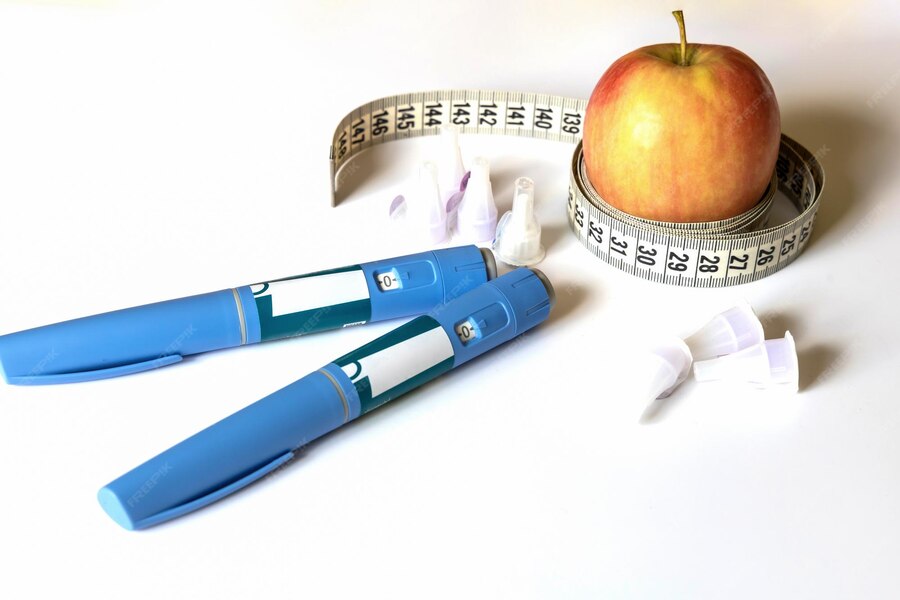
Ozempic helps millions of people manage blood sugar, reduce appetite, lose weight, and improve metabolic health. But like any GLP-1 medication, it must be carefully dosed. Increasing too quickly or staying on a dose your body isn’t ready for can cause uncomfortable or even serious side effects.
Most people tolerate the medication well, especially when titration is slow and steady. However, if your Ozempic dose is too high, your body will give you clear signals. These symptoms are important to recognize early so you can adjust before the discomfort becomes severe.
How Ozempic Dosing Works
Ozempic dosing is intentionally gradual because the medication slows digestion and strongly affects appetite and glucose signaling. Increasing too quickly overwhelms the stomach and nervous system.
The typical schedule:
• 0.25 mg weekly (weeks 1–4)
• 0.5 mg weekly (weeks 5–8)
• 1 mg weekly (weeks 9+)
• 2 mg weekly (optional increase for diabetes control)
Some people need longer at each step depending on sensitivity. If symptoms appear immediately after a dose increase, it often means the titration was too fast.
Most Common Signs Your Ozempic Dose Is Too High
1. Nausea That Becomes Constant or Disruptive
Mild nausea is common during early treatment. But when the dose is too high, nausea becomes persistent or severe.
Signs include:
• Nausea lasting several hours every day
• Loss of appetite so strong you cannot maintain normal meals
• Needing to lie down or rest frequently
• Vomiting after meals or liquids
This happens because higher doses slow stomach emptying even more, causing food to sit in the stomach for too long.
2. Vomiting That Does Not Improve Within a Few Days
Occasional vomiting during dose increases can be normal. But repeated vomiting indicates the dose may not be appropriate.
It becomes concerning if:
• You vomit multiple times a day
• You cannot keep fluids down
• Symptoms worsen after each weekly shot
• Vomiting occurs even without eating
This is a sign your gastrointestinal system is overwhelmed.
3. Severe Bloating or Stomach Pressure
Because Ozempic slows digestion, higher doses may cause the stomach to feel overly full or stretched.
Warning signs include:
• Painful bloating
• Feeling full after a few bites
• Pressure under the ribs or upper abdomen
• Burping, sulfur burps, or trapped gas
• A swollen or distended stomach
These symptoms often appear after dose increases to 0.5 mg, 1 mg, or 2 mg.
4. Constipation That Becomes Severe or Painful
Slower digestion naturally increases constipation risk, but too high a dose can create significant discomfort.
Signs include:
• Going more than three days without a bowel movement
• Hard, difficult, or painful stools
• Cramping, bloating, or straining
• Needing laxatives regularly
If constipation worsens each time the dose increases, it is often a dose-related issue.
5. Appetite Suppression That Is Too Extreme
Ozempic should reduce appetite, not eliminate it completely. Too high a dose may lead to under-eating, which can cause nutrient deficiencies and fatigue.
Warning signs:
• Forgetting to eat for long periods
• Feeling nauseated at the thought of food
• Eating less than 800–1,000 calories per day
• Rapid, unhealthy weight loss
This level of appetite loss can harm metabolism and muscle mass.
6. Dizziness or Lightheadedness After Eating or Standing
Dizziness can happen when Ozempic dose is too high because of dehydration, low blood sugar, or reduced food intake.
Common signs:
• Feeling faint when standing
• Dizziness even after hydration
• Shakiness or weakness
• Symptoms worse after meals or injections
These symptoms may indicate your body is not receiving enough nutrients or fluids.
7. Fatigue or Low Energy Beyond the Normal Adjustment Phase
GLP-1 medications can cause temporary fatigue, but a dose that is too high may cause deeper exhaustion.
Signs your dose may not be right:
• Needing extra sleep or naps
• Feeling drained despite adequate rest
• Difficulty focusing or thinking clearly
• Energy worsening after each dose increase
This often happens when calorie intake becomes too low or dehydration sets in.
8. Persistent Diarrhea or Urgent Bowel Movements
While not as common as constipation, diarrhea can signal your stomach and intestines are struggling with the dose.
Warning signs:
• Loose or watery stools multiple times per day
• Urgency soon after eating
• Symptoms lasting more than three to five days
• Signs of dehydration
This usually improves when the dose is reduced or titration slows.
9. Heartburn, Acid Reflux, or Regurgitation
When the stomach empties more slowly, acid can build up.
Signs of dose-related reflux:
• Burning in the chest or throat
• Food refluxing back up
• Worsening symptoms at night
• New need for acid-reducing medications
If reflux begins only after a dose increase, that dose may be too high for now.
10. Anything That Feels “Too Much, Too Fast” After a Dose Increase
The most reliable sign is simple: if symptoms spike immediately after an increase, your body likely needs more time.
Common timing pattern:
• Symptoms worsen 24–72 hours after injection
• Symptoms then stabilize but remain strong
• Next weekly dose makes symptoms worse again
This cycle usually means the gastrointestinal system cannot keep up.
Why Higher Doses Cause These Side Effects
When Ozempic dose is too high, the digestive system slows more than your body can comfortably tolerate. This leads to:
• Delayed stomach emptying
• Increased gas and fermentation
• Stronger appetite suppression
• Altered gut motility
• Reduced calorie intake
All of these factors can create uncomfortable GI symptoms.
When You Should Lower or Pause the Dose
The dose is likely too high if:
• Symptoms prevent eating or drinking normally
• You are losing weight too quickly
• You cannot complete daily tasks
• Side effects worsen each week
• Symptoms appear only after dose increases
In these cases, pausing or stepping back one dose level often solves the problem.
Never adjust without consulting your provider.
When to Seek Medical Attention
Some symptoms need prompt attention.
Seek care if you experience:
• Persistent vomiting
• Inability to stay hydrated
• Severe abdominal pain
• Yellowing of the skin or eyes
• Signs of pancreatitis
• Signs of gallbladder disease
• Rapid heart rate or chest discomfort
These are rare but important not to ignore.
How to Fix Side Effects When the Dose Is Too High
The good news: most symptoms improve quickly with small changes.
1. Return to the Previous Dose
If symptoms appear after an increase, going back down usually helps.
2. Stay Longer on Each Dose
Some people need six to eight weeks before increasing.
3. Eat Smaller, Slower Meals
This reduces nausea, bloating, reflux, and pressure.
4. Stay Hydrated
Aim for at least 8–10 cups of water a day.
5. Add Magnesium or Fiber for Constipation
Support digestion gently, not aggressively.
6. Walk After Meals
Movement improves digestion and reduces bloating.
7. Avoid High-fat Meals Temporarily
Fat slows digestion dramatically and worsens nausea.
Frequently Asked Questions
Does a higher dose work better for weight loss?
Not always. Many people lose more weight on a lower dose they tolerate well.
Is feeling sick normal on Ozempic?
Mild symptoms can be normal. Severe symptoms mean the dose may be too high.
Can I stay on a lower dose permanently?
Yes. Many people use 0.5 mg or 1 mg long term with excellent results.
Does dose sensitivity mean Ozempic is not right for me?
Not necessarily. It simply means your titration schedule must be slower.
Conclusion
Knowing when your Ozempic dose is too high helps you stay safe, comfortable, and successful in your treatment. Most side effects are not dangerous, but they are signals that your body needs more time. Recognizing these signs early and adjusting with the help of your provider leads to better long-term results and a far more comfortable experience.
If symptoms feel intense, persistent, or disruptive, it is almost always better to slow down than push through. Ozempic works best when the dosing pace matches your body’s rhythm.