Table of Contents
Sleep apnea is one of the most common and overlooked health issues in men, especially men over 40 or those carrying extra weight. Obstructive sleep apnea occurs when the airway collapses during sleep, causing pauses in breathing, loud snoring, drops in oxygen levels, and poor sleep quality. Untreated sleep apnea increases the risk of heart disease, high blood pressure, fatigue, and metabolic problems such as diabetes.
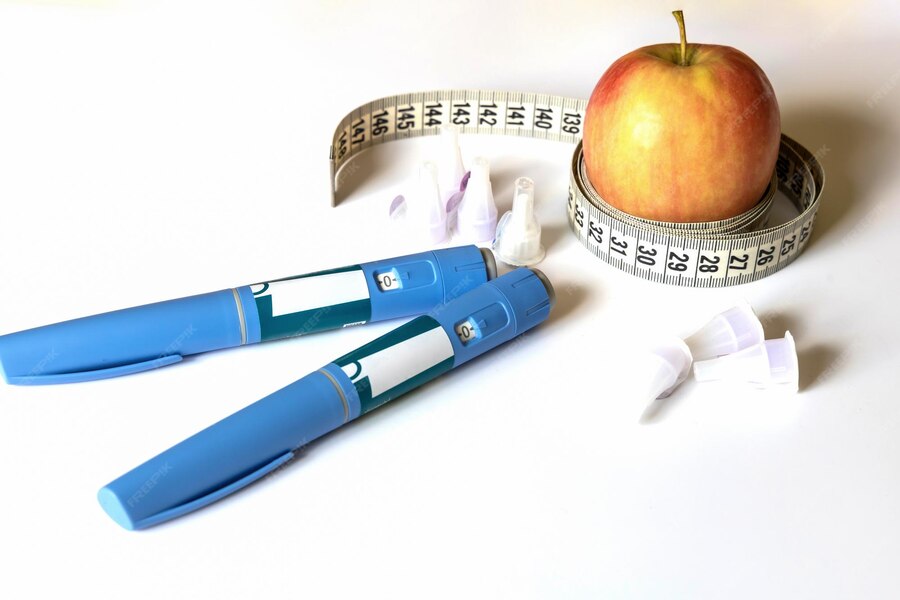
GLP-1 medications such as Ozempic, Wegovy, Mounjaro, and Zepbound were developed for diabetes and weight loss, but men with sleep apnea are discovering that these medications provide benefits far beyond the number on the scale. Many men notice deeper sleep, less snoring, improved daytime energy, and reduced apnea episodes within weeks of starting treatment.
Why Sleep Apnea Is More Common in Men
Sleep apnea occurs in both men and women, but men are two to three times more likely to develop it. Several factors contribute to this increased risk.
Men commonly experience:
• more fat stored around the neck and upper airway
• higher rates of visceral and abdominal fat
• greater airway collapsibility during sleep
• higher incidence of high blood pressure and metabolic disease
• hormonal patterns that influence airway tone
Weight, inflammation, and airway structure all play a major role. This makes GLP-1 medications particularly effective for improving symptoms.
How GLP-1 Medications Improve Sleep Apnea
GLP-1 therapy reduces sleep apnea severity through several overlapping mechanisms. The benefits often begin within the first few weeks and continue to improve as weight and inflammation decrease.
Men using GLP-1 medications commonly notice:
• less snoring at night
• fewer airway obstruction episodes
• better oxygen levels during sleep
• improved morning energy and alertness
• reduced need for high CPAP pressures
These changes occur even before significant weight loss happens.
Reduction of Neck and Airway Fat
One of the strongest contributors to obstructive sleep apnea in men is fat stored around the neck, jawline, and upper airway. This tissue compresses the airway during sleep, making it more likely to collapse.
GLP-1 medications help reduce airway fat by:
• lowering overall body weight
• reducing visceral fat and inflammation
• improving fat mobilization during weight loss
• decreasing fat deposits in areas that affect airway size
As tissue volume decreases, the airway stays open more easily and breathing becomes smoother.
Reduced Inflammation in the Airway and Lungs
Inflammation plays a major role in airway obstruction. GLP-1 medications reduce inflammation throughout the body, including the respiratory system.
Benefits include:
• less swelling in airway tissues
• reduced mucus production
• better airflow during sleep
• healthier lung and nasal passages
Lower inflammation helps stabilize breathing patterns and reduces nighttime interruptions.
Improved Blood Sugar and Insulin Sensitivity Support Better Sleep
Poor sleep and glucose problems often occur together. Sleep apnea increases insulin resistance, and insulin resistance worsens sleep apnea. This creates a cycle that affects energy, metabolism, and weight.
GLP-1 therapy breaks this cycle by:
• reducing blood sugar spikes
• improving fasting insulin levels
• stabilizing energy throughout the day
• reducing nighttime awakenings
Better blood sugar control enhances sleep quality and supports the healing of airway tissues.
Weight Loss Reduces Pressure on the Diaphragm and Chest
Excess weight increases pressure on the chest and diaphragm, making it harder to breathe deeply during sleep. GLP-1 medications facilitate weight loss that reduces mechanical strain during breathing.
Men often report:
• easier breathing at night
• less chest pressure
• deeper, quieter sleep
• reduced nighttime awakenings
Weight loss contributes significantly to long-term improvement in sleep apnea severity.
Lower Blood Pressure and Cardiovascular Stress
Many men with sleep apnea also have high blood pressure, especially morning hypertension caused by nighttime oxygen drops.
GLP-1 medications help improve cardiovascular function by:
• lowering blood pressure
• reducing arterial stiffness
• decreasing oxidative stress
• improving heart rate variability
Better blood flow supports healthier breathing patterns and reduces apnea-related cardiovascular strain.
Improved Daytime Energy and Cognitive Function
Sleep apnea affects brain health, mood, and daytime performance. Many men experience brain fog, irritability, and afternoon fatigue.
GLP-1 therapy often improves:
• daytime alertness
• mental focus
• motivation to exercise
• overall productivity
Men frequently describe feeling sharper and more energetic after starting treatment.
CPAP Users Often Experience Better Outcomes
Many men continue using CPAP while on GLP-1 therapy. The combination leads to even better improvements than either therapy alone.
Men commonly report:
• lower required CPAP pressures
• higher nightly compliance
• more comfort and less mask leakage
• fewer nighttime awakenings
GLP-1 medications make CPAP therapy more effective and easier to tolerate.
How Men Can Maximize Sleep Improvements While Using GLP-1 Medications
The following habits can improve sleep apnea symptoms even further.
1. Maintain High-Protein Nutrition
Protein helps preserve lean mass while losing weight.
2. Strength Train Regularly
Strength training supports metabolic health, breathing mechanics, and healthy weight loss.
3. Stay Hydrated and Use Electrolytes
Proper hydration prevents airway dryness and supports oxygen levels.
4. Sleep on the Side Instead of the Back
Side sleeping reduces airway collapse for many men.
5. Limit Alcohol Before Bed
Alcohol relaxes the airway muscles and worsens apnea.
Frequently Asked Questions
Does semaglutide improve sleep apnea?
Yes. Many studies show meaningful improvements in apnea severity due to weight loss and reduced inflammation.
Do GLP-1 medications help even without major weight loss?
Yes. Many benefits occur early, before large weight changes happen.
Can snoring improve with GLP-1 therapy?
Yes. Snoring often decreases as airway fat and inflammation reduce.
Do men still need CPAP while on GLP-1 medications?
Most men should continue CPAP unless a sleep specialist recommends changes.
Is sleep apnea completely reversible with weight loss?
Not always, but severity often improves dramatically.
Conclusion
Men with sleep apnea benefit strongly from GLP-1 medications because these therapies reduce airway fat, inflammation, blood pressure, and insulin resistance. They also help men sleep deeper, breathe easier, and feel more energized during the day. When paired with strength training, proper nutrition, and CPAP therapy, GLP-1 medications can provide transformational improvements in sleep and long-term health.