

Here's what we'll cover
Here's what we'll cover
A Tragic Case That Demands Attention
A London law student died in her university halls of residence after taking a weight loss drug, according to testimony heard at a UK inquest in August 2025. The details of the case are still emerging, but the inquest has raised serious questions about how people access weight loss medications, what supervision looks like in practice, and what happens when it is absent.
If you are taking or considering a GLP-1 medication like Ozempic, Wegovy, or Mounjaro, this story is not meant to frighten you. It is meant to inform you. These medications have strong clinical records, but they are prescription drugs with real risks, and they require real medical oversight.
What We Know (and Don't Know) About This Case
The inquest has not produced full findings as of this writing, and the specific drug involved has not been confirmed in public reporting. Weight loss drugs available in the UK market include semaglutide (the active ingredient in Ozempic and Wegovy), tirzepatide (Mounjaro), and older medications like orlistat and liraglutide, as well as various unregulated or counterfeit products.
What is already clear from the inquest testimony is that the circumstances involved a young person taking a weight loss drug outside of robust supervised care. Whether that means self-prescribing, obtaining the drug without a proper assessment, using a counterfeit product, or some combination is still being determined.
The key lesson here is not that GLP-1 drugs are uniquely dangerous. It is that any potent medication used without proper oversight carries compounding risks.
Why Unsupervised Use Is the Real Danger
GLP-1 medications are not over-the-counter supplements. They are prescription-only drugs in both the US and UK for good reason. The prescribing process is designed to screen for contraindications, assess your baseline health, establish an appropriate starting dose, and create a plan for follow-up.
When that process is skipped, several things go wrong simultaneously.
No Screening for Risk Factors
Semaglutide and tirzepatide are contraindicated for people with a personal or family history of medullary thyroid carcinoma or Multiple Endocrine Neoplasia syndrome type 2 (MEN2). They can also worsen pancreatitis in people with existing risk factors. These are conditions that a proper intake form and medical review would catch.
No Dose Titration
Both semaglutide and tirzepatide are started at very low doses and increased gradually over weeks or months. This process, called titration, is specifically designed to minimize side effects. Skipping titration or taking a dose that is too high for a first-time user can cause severe nausea, vomiting, dehydration, and electrolyte imbalances.
No Follow-Up
Weight loss drugs work over months, not days. Regular check-ins allow a provider to catch problems early, adjust your dose if something is wrong, and confirm the medication is working as intended. Without this support, a manageable side effect can become a dangerous one.
The Rise of Unregulated and Counterfeit Weight Loss Drugs
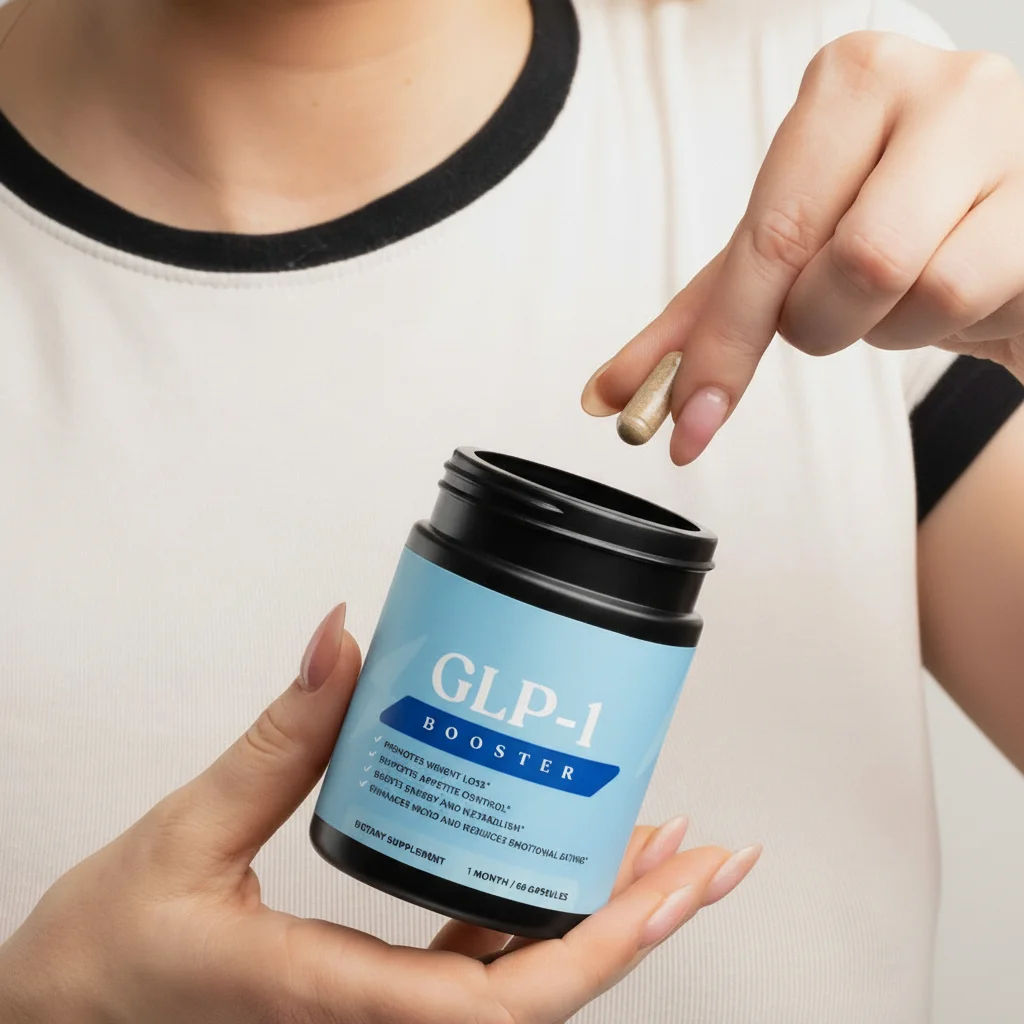
One of the most concerning trends driving unsafe use is the global explosion of counterfeit or unregulated GLP-1 medications. Demand for semaglutide has far outpaced supply at various points since 2022, creating a market for knockoffs sold through social media, unlicensed websites, and grey-market compounding pharmacies.
The FDA and UK's Medicines and Healthcare products Regulatory Agency (MHRA) have both issued warnings about fake semaglutide products. These counterfeits may contain the wrong dose, inactive ingredients, contaminants, or entirely different compounds.
The FDA has continued to investigate counterfeit Ozempic circulating in the legitimate US drug supply chain, seizing thousands of units and warning that the identity, quality, and safety of these products cannot be confirmed. Cases of hypoglycemia (dangerously low blood sugar) have been reported in people who obtained semaglutide from unverified sources, likely because the products contained insulin rather than semaglutide.
If you are not obtaining your medication through a licensed US pharmacy or a UK-registered pharmacy with a valid prescription, you have no way of knowing what you are actually taking.
How to Identify a Legitimate GLP-1 Provider
Not all telehealth or weight loss clinics offer the same level of care. A legitimate provider does more than write a prescription and send you a link to a pharmacy. Here is what to look for.
You can find vetted, licensed providers through our Best Providers comparison page, which lists options with transparent pricing, clear clinical protocols, and real prescriber involvement.
Side Effects That Require Immediate Medical Attention
All prescription medications carry side effects. For GLP-1 medications, common ones include nausea, vomiting, diarrhea, constipation, and fatigue. These are unpleasant but rarely dangerous when managed properly.
However, some side effects require urgent care. Knowing these could be life-saving.
Go to an Emergency Room or Call Emergency Services If You Experience:
- Severe abdominal pain that does not go away (possible pancreatitis)
- Persistent vomiting or inability to keep fluids down for more than 24 hours
- Signs of a severe allergic reaction: swelling of the face, lips, or throat, difficulty breathing
- Sudden vision changes
- Racing heartbeat or chest pain
- Symptoms of low blood sugar: confusion, shakiness, sweating, loss of consciousness (more likely if also taking insulin or other diabetes medications)
- A lump or swelling in your neck or persistent hoarseness (possible thyroid concern)
Serious complications from GLP-1 medications are rare in properly screened patients who follow titration protocols. But they are not zero. And they are significantly more likely in people who are using these drugs without medical guidance.
The Compounding Pharmacy Question
In the US, compounded semaglutide and tirzepatide became widely available during drug shortage periods. Compounded medications are not FDA-approved and are not subject to the same manufacturing quality controls as brand-name drugs. Some compounding pharmacies operate with full regulatory compliance and quality standards. Others do not.
The FDA has taken action against multiple compounders for producing substandard products. As of mid-2025, compounded semaglutide has faced increased regulatory scrutiny, and the shortage designation that previously permitted widespread compounding has been under review.
This does not mean all compounded GLP-1 medications are dangerous. It means you need to ask your provider specific questions about where your medication is coming from, whether the compounding pharmacy is FDA-registered, and what quality assurance processes are in place.
If your provider cannot answer those questions clearly, that is a red flag.
Questions to Ask Your Doctor or Provider Before Starting
Whether you are new to GLP-1 therapy or switching providers, these are the questions worth asking before you take your first dose.
- Am I a good candidate based on my health history?
- Are there any conditions or medications I have that interact with this drug?
- What dose will I start on, and how will we increase it over time?
- What side effects should I watch for, and which ones should prompt me to call you?
- How often will we check in, and what does follow-up look like?
- Where is my medication coming from, and is it FDA-approved or compounded?
- If I experience a serious side effect after hours, what should I do?
These are not difficult questions. Any legitimate provider should be able to answer all of them without hesitation.

No waiting list. No insurance needed.





Frequently Asked Questions
Is it safe to take GLP-1 medications like Ozempic or Wegovy for weight loss?
Yes, when prescribed by a licensed provider, used at the correct dose, and monitored with regular follow-up, GLP-1 medications are considered safe and clinically effective for weight loss. The risk increases significantly when these drugs are used without medical supervision or obtained from unverified sources.
What are the most dangerous side effects of GLP-1 weight loss drugs?
Rare but serious risks include pancreatitis (inflammation of the pancreas), severe allergic reactions, gallbladder disease, and a potential risk of thyroid tumors seen in animal studies. Severe dehydration from persistent vomiting can also become life-threatening if not addressed. Always seek emergency care if you experience severe abdominal pain or cannot keep fluids down.
Can you buy semaglutide or tirzepatide without a prescription?
No. Both semaglutide and tirzepatide are prescription-only medications in the US and UK. Any website or provider offering them without a valid prescription and medical assessment is operating outside the law and poses a serious safety risk.
How do I know if an online GLP-1 provider is legitimate?
A legitimate provider will require a health intake form, review your medical history, start you on the lowest appropriate dose, schedule follow-up appointments, and use a licensed pharmacy. Avoid any provider that skips medical screening, promises fast results at high doses, or cannot verify where your medication is manufactured.
Are compounded GLP-1 medications safe?
Some FDA-registered compounding pharmacies produce semaglutide products that meet quality standards, but compounded drugs are not FDA-approved and carry more variability than brand-name medications. Ask your provider specifically where your medication is compounded and whether the pharmacy is 503B registered or PCAB-accredited.
What should I do if I experience bad side effects from a weight loss drug?
For mild side effects like nausea or fatigue, contact your provider and follow their guidance on dose adjustment. For severe symptoms including persistent vomiting, severe stomach pain, difficulty breathing, or chest pain, go to an emergency room or call 911 immediately. Do not wait to see if symptoms improve on their own.
What This Means If You Are Currently Taking a GLP-1 Medication
If you are already on semaglutide or tirzepatide through a licensed provider, you are likely in a much safer position than the worst-case scenarios described above. The structure of proper GLP-1 care, including supervised titration, regular check-ins, and access to a prescriber, is specifically designed to catch and address problems before they become serious.
Still, it is worth reviewing your own situation honestly.
Ask yourself: Does my provider check in with me regularly? Do I know what to do if I have a severe reaction? Do I know where my medication comes from? If you cannot answer those questions confidently, it may be time to contact your provider and have that conversation.
If you feel your current provider is not offering adequate support or if you are paying too much and have been tempted to seek cheaper options outside the normal channels, there are better solutions available. Our Best Providers comparison page shows vetted options with transparent pricing and real clinical oversight. Our GLP-1 Coupons page can also help you reduce costs through legitimate savings programs.
The Bottom Line
The death of a young person is always a tragedy. Cases like the London inquest are a reminder that weight loss drugs are not casual wellness products. They are powerful medications that work through real biological mechanisms, and they carry real risks when used without appropriate care.
The answer is not to avoid GLP-1 medications. For millions of people, they represent a meaningful and clinically supported path toward better health. The answer is to use them correctly: with a proper prescription from a licensed provider, at the right dose, with regular follow-up, and from a verified pharmacy.
No weight loss result is worth gambling with your safety. And with so many legitimate, accessible, and affordable provider options now available, there is no reason to take that gamble.
If you are still exploring whether a GLP-1 medication is right for you, start with a proper eligibility review and compare providers on GLP-1.com. Talk to a licensed clinician. Ask the hard questions. And make sure that wherever you get your medication, someone with medical training has your back.
This article is for informational purposes only and does not constitute medical advice. Always consult a licensed healthcare provider before starting, stopping, or changing any prescription medication.