

Here's what we'll cover
Here's what we'll cover
Real GLP-1 Pills Now Exist. So Do the Fakes.
For years, anyone selling a weight loss "GLP-1 pill" online was almost certainly selling something unproven. That changed when the FDA approved the first oral GLP-1 medications for chronic weight management: the Wegovy pill, an oral form of semaglutide, approved in December 2025, and Eli Lilly's Foundayo (orforglipron), approved on April 1, 2026.
Legitimate pills have made the scam market easier, not harder. Fraudulent sellers now borrow the names, packaging, and claims of real products. This guide explains how the scams work, how to spot them, and how to get a genuine prescription safely.
What Real Oral GLP-1 Medications Look Like
Before you can spot a fake, it helps to know what is actually approved in the United States:
| Product | Active ingredient | Approved use | How you get it |
|---|---|---|---|
| Wegovy tablets | Semaglutide | Chronic weight management | Prescription only |
| Foundayo tablets | Orforglipron | Chronic weight management | Prescription only |
| Rybelsus tablets | Semaglutide | Type 2 diabetes | Prescription only |
Every one of these requires a prescription from a licensed clinician and is dispensed by a licensed pharmacy. Cash prices have dropped, with starting doses of the weight loss pills launched at about $149 per month through manufacturer programs, according to Fierce Pharma. But no legitimate seller offers them without a prescription.
The Four Most Common GLP-1 Scams Online
1. Counterfeit Brand Name Products
Counterfeits are not hypothetical. The FDA has warned consumers about counterfeit Ozempic found in the US drug supply chain, including fake Ozempic 1 mg pens identified by specific lot and serial numbers. Neither the FDA nor Novo Nordisk could confirm what was inside them. As pill forms grow in popularity, the same tactics can be applied to tablets that mimic Wegovy or Foundayo packaging.
2. "GLP-1" Supplements That Contain No GLP-1 Drug
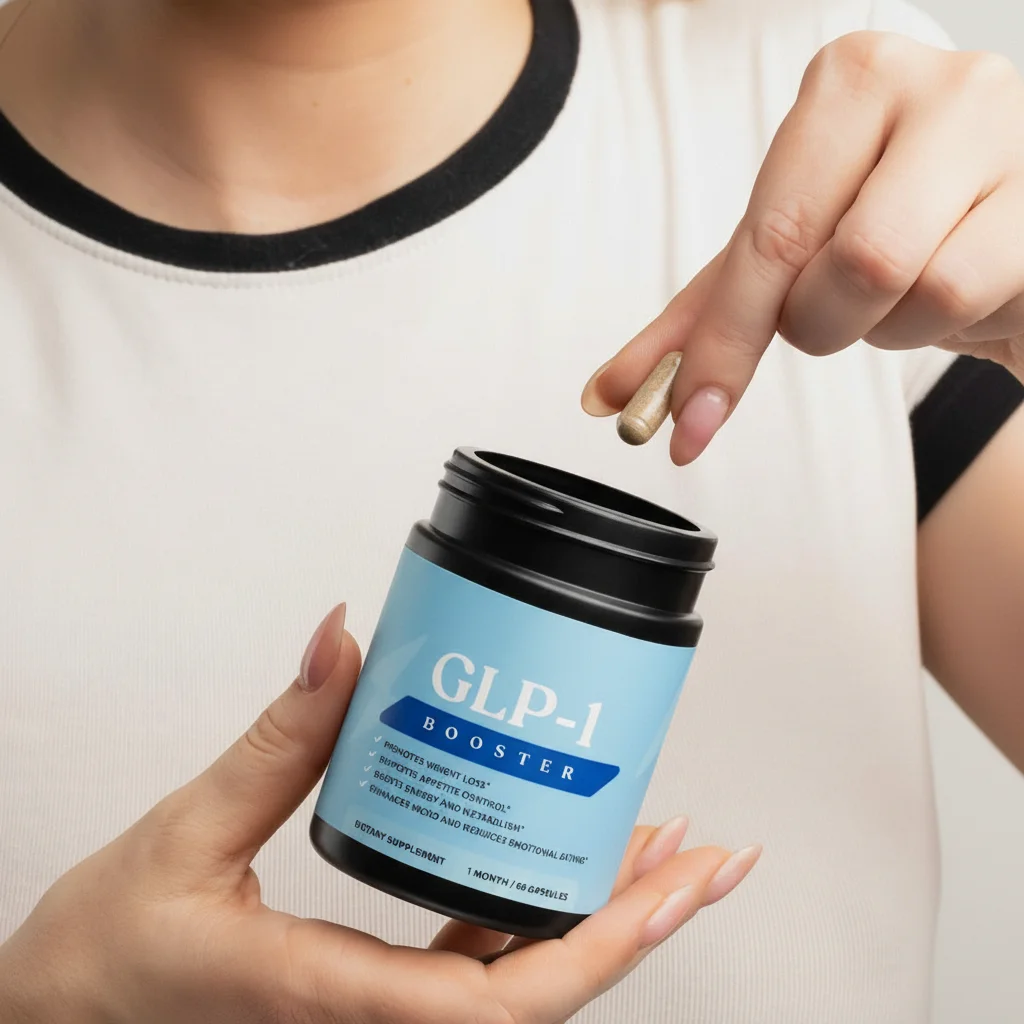
Many products marketed as "GLP-1 support," "natural Ozempic," or "GLP-1 boosters" are dietary supplements, often containing berberine, fiber, or plant extracts. Supplements are not FDA approved to treat obesity, and they do not contain semaglutide, tirzepatide, or orforglipron. Some of these ingredients have limited evidence for modest effects, but none performs like a prescription GLP-1.
3. Unapproved Drugs and "Research Use Only" Products
The FDA has published concerns about unapproved GLP-1 drugs sold for weight loss, including products labeled for research only and products that may contain different salt forms of semaglutide that are not the same as the approved drug. In September 2025 the FDA also created a green list import alert identifying approved sources of GLP-1 active ingredients, so shipments from other sources can be detained at the border.
4. Misleading Telehealth and Compounding Claims
Not every risk comes from obvious scammers. In June 2026, the FDA sent warning letters to 25 telehealth companies over claims about compounded semaglutide and tirzepatide, including describing products as coming from an "FDA approved pharmacy," as reported by Bloomberg Law. Compounded drugs are not FDA approved, and patients deserve to know what they are getting.
Red Flags That Signal a Scam
- No prescription or medical evaluation is required
- Prices far below manufacturer cash prices, especially for higher doses
- Claims of rapid weight loss with no side effects
- Words like "natural Ozempic," "GLP-1 drops," or "same as Wegovy" on a supplement
- "For research use only" or "not for human consumption" labels
- Payment only by cryptocurrency, wire transfer, or payment apps
- Social media or messaging app sellers with no physical pharmacy address
- Packaging in a foreign language or missing lot numbers and expiration dates
How to Verify a Pharmacy or Product
- Check the pharmacy through the FDA's BeSafeRx resources and confirm it is licensed in your state.
- Confirm a licensed clinician is prescribing after reviewing your health history.
- Compare the price with the manufacturer's published self pay price. A deal that seems too good usually is.
- Inspect packaging for lot numbers, expiration dates, and an intact seal, and compare the lot and serial numbers against any FDA counterfeit alerts.
- Ask your pharmacist if anything about the tablets or pens looks different from your last fill.
What to Do If You Think You Bought a Fake
- Stop using the product and keep the packaging.
- Contact your doctor, especially if you have nausea, vomiting, low blood sugar symptoms, or an allergic reaction.
- Report the product to the FDA through MedWatch.
- Notify the manufacturer and your bank or card issuer if you paid online.
Safer Ways to Lower Your Cost
Most people turn to risky sellers because of price. Legitimate options are better than they were even a year ago:
- Manufacturer direct programs offering lower cash prices on oral and injectable products
- Insurance coverage for diabetes, cardiovascular, sleep apnea, or MASH indications
- Medicare's GLP-1 Bridge for eligible Part D enrollees, with a $50 monthly copay
- Current GLP-1 coupons and savings programs

No waiting list. No insurance needed.





Frequently Asked Questions
Are there real GLP-1 weight loss pills?
Yes. The FDA has approved Wegovy tablets (oral semaglutide) and Foundayo (orforglipron) for chronic weight management. Rybelsus is an oral semaglutide approved for type 2 diabetes. All require a prescription.
Can I buy GLP-1 pills online without a prescription?
No legitimate pharmacy sells GLP-1 medications without a prescription. Any website or social media seller offering them without a medical evaluation should be treated as a likely scam.
Are GLP-1 supplements the same as Ozempic or Wegovy?
No. Supplements marketed as natural GLP-1 boosters do not contain semaglutide, tirzepatide, or orforglipron and are not FDA approved for weight loss. Their effects, if any, are far smaller than prescription GLP-1 drugs.
How can I tell if my Ozempic or Wegovy is counterfeit?
Check that it came from a licensed pharmacy, inspect the packaging for intact seals, lot numbers, and expiration dates, and compare lot and serial numbers to FDA counterfeit alerts. Ask your pharmacist if anything looks different.
What does research use only mean on a GLP-1 product?
It means the product is not approved or intended for human use. These products may contain unverified ingredients or salt forms of semaglutide that differ from the approved drug, and the FDA has warned consumers against using them.
What should I do if I bought a fake GLP-1 product?
Stop using it, keep the packaging, contact your doctor about any symptoms, report it to the FDA through MedWatch, and notify the manufacturer and your bank or card issuer.
The Bottom Line
The approval of real GLP-1 pills has made online scams more convincing. The rule that protects you has not changed: no legitimate source sells Wegovy tablets, Foundayo, or any GLP-1 medication without a prescription and a licensed pharmacy. Supplements labeled as "natural GLP-1" are not substitutes, and research only products are not meant for people.
If cost is pushing you toward a questionable seller, start with manufacturer pricing, insurance options, and savings programs instead. To find a licensed prescriber, compare vetted telehealth providers. Always consult your physician before starting any weight loss medication.