

Here's what we'll cover
Here's what we'll cover
If you're on a GLP-1 medication like Ozempic, Wegovy, or Mounjaro, you may have noticed your shopping cart looks very different than it used to. That's not a coincidence.
The appetite-suppressing effects of semaglutide and tirzepatide are doing more than trimming waistlines. They're quietly reshaping what millions of Americans eat, buy, and spend money on every week. Understanding these shifts can help you navigate your own GLP-1 journey with a little more clarity and a lot less surprise.
Why GLP-1 Medications Change What You Want to Eat
GLP-1 agonists work by mimicking a hormone called glucagon-like peptide-1, which regulates hunger signals in your brain and slows the rate at which your stomach empties. The result is a feeling of fullness that arrives faster and lasts longer.
But the effects go beyond just eating less. Many patients report a marked reduction in cravings, particularly for ultra-processed foods, sweets, and alcohol. Researchers are still studying exactly why this happens, but current evidence points to GLP-1 receptors in the brain's reward pathways playing a significant role.
The "Food Noise" Reduction Effect
Patients often describe something called "food noise" before starting GLP-1 therapy. This refers to the near-constant mental chatter about food, what to eat next, when to snack, how to resist cravings. GLP-1 medications appear to quiet this noise significantly for many users.
When food is no longer occupying that much mental real estate, the choices you make at the store change. You're shopping to fuel your body, not to satisfy urgent cravings. That shift alone can transform a weekly grocery run.
How Grocery Spending Actually Changes on GLP-1s
Here's something that surprises many new patients: your grocery bill may go down, even though the medications themselves are expensive. When you're eating significantly less volume, you buy less food. Impulse purchases, snack foods, and excess quantities all shrink along with your appetite.
Surveys and anecdotal reports from GLP-1 users suggest food spending can drop by $100 to $300 per month in some cases, though results vary widely. That won't fully cover the cost of a branded GLP-1 medication, which can run $900 to $1,400 per month without insurance, but it's a real offset worth factoring into your budget planning.
What Patients Are Buying More Of
The shift in purchasing behavior isn't just about buying less. It's also about buying differently. Common patterns reported by GLP-1 users include:
- More lean proteins (chicken breast, eggs, Greek yogurt, fish)
- More fresh vegetables and fruits in smaller quantities
- Fewer packaged snack foods and sugary beverages
- Smaller portion sizes and single-serve options
- Protein shakes and supplements to hit daily protein goals on lower food volume
This matters because your nutritional strategy on a GLP-1 should prioritize protein and micronutrient density. When you're eating less total food, every bite needs to count more.
What the Food Industry Is Noticing
Major food companies and retailers aren't missing this trend. Consumer packaged goods companies have flagged declining demand for certain snack and junk food categories, with some analysts specifically citing GLP-1 adoption as a contributing factor.
At the same time, food companies are racing to develop smaller portion formats, higher-protein options, and products designed to appeal to people eating less but seeking more nutritional value per serving. Grocery chains are expanding their ready-to-eat protein sections and single-serve prepared meal offerings.
For patients, this is good news. The market is responding to your needs, and more options tailored to GLP-1 users are becoming available. That said, not everything labeled "high protein" or "GLP-1 friendly" deserves that label. Read nutrition labels carefully and prioritize whole foods when possible.
Restaurants and Dining Out on GLP-1 Medications
Eating out gets complicated when your stomach has a fraction of its former capacity. Many GLP-1 users report ordering appetizers as entrees, splitting meals, or simply leaving significant food on the plate at restaurants.
The financial impact cuts both ways. You may spend less per meal because you eat less, but social dynamics around dining can feel awkward, especially when servers question a nearly full plate or friends notice how little you're eating.
Practical Tips for Dining Out
- Look for restaurants with smaller plate options or tapas-style menus
- Don't hesitate to ask for a takeout box immediately and split your meal from the start
- Choose protein-forward dishes to meet your daily goals in smaller volumes
- Skip alcohol or limit it significantly; GLP-1 medications appear to reduce alcohol cravings in many users, and alcohol can worsen side effects like nausea
The Supplement and Wellness Spending Shift
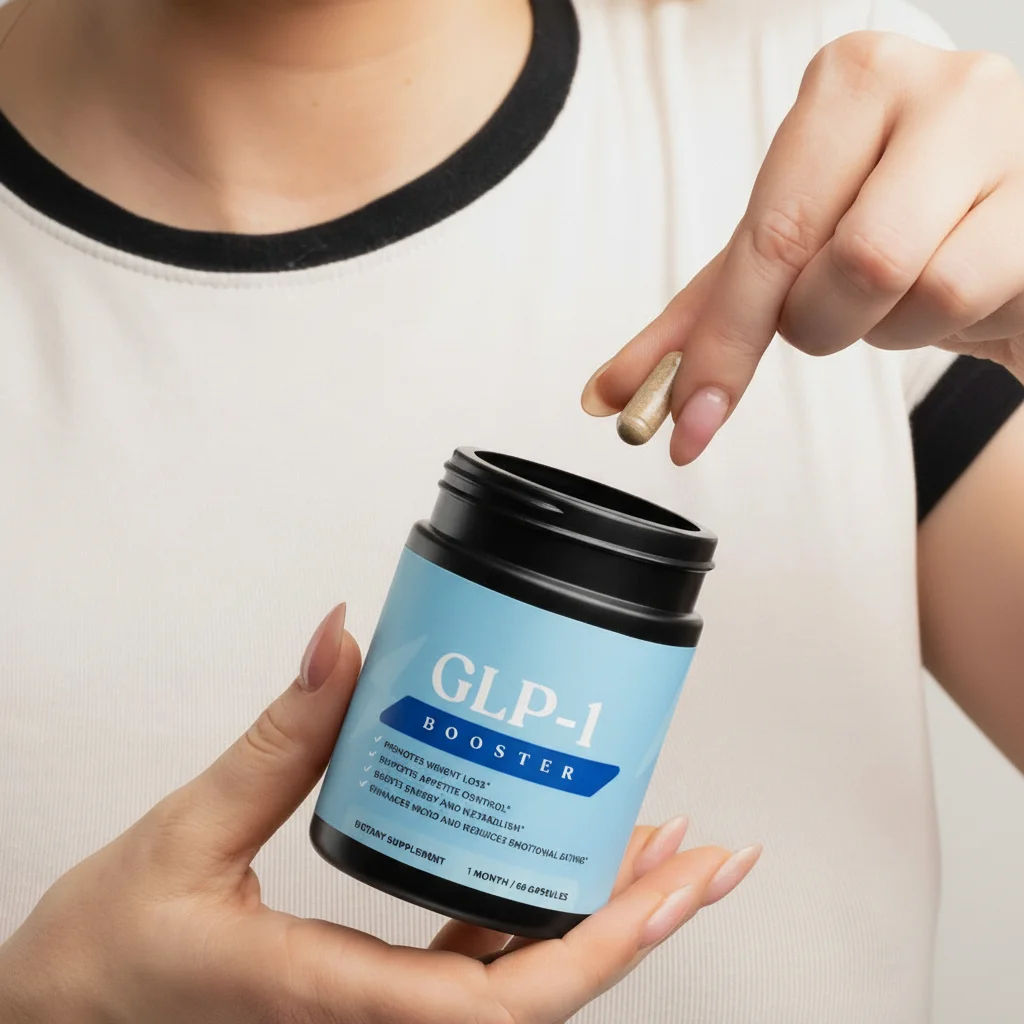
An interesting secondary effect is the rise in supplement spending among GLP-1 users. Because eating less total food can make it harder to hit targets for protein, vitamins, and minerals, many patients add protein powder, collagen, B12, magnesium, and multivitamins to their routines.
This spending category often increases even as food spending decreases. If you're starting a GLP-1 medication, budget for supplements and consider speaking with a registered dietitian who has experience with GLP-1 patients. A small investment in nutritional guidance early on can prevent issues like muscle loss, hair thinning, and fatigue that sometimes accompany rapid weight loss.
What This Means for Your Overall Monthly Budget
Let's be direct about the financial picture for GLP-1 patients. The medications are expensive without insurance or manufacturer support. But the full cost-of-living picture is more nuanced.
The ranges above are estimates based on commonly reported patient experiences and vary widely based on individual habits, insurance coverage, and which medication you take. The lower end of the medication cost range reflects compounded semaglutide or tirzepatide from telehealth providers, which has become a popular cost-saving option for many patients.
Finding Affordable GLP-1 Options
The cost question is where many patients get stuck. Branded GLP-1 medications like Wegovy and Ozempic carry list prices that are out of reach for many people without insurance coverage. But the landscape of options has expanded significantly.
Telehealth providers offering compounded or branded GLP-1 prescriptions at lower price points have made these medications more accessible. Comparing providers carefully before committing matters because pricing, support, and medication quality can vary substantially between platforms.
You can also explore manufacturer savings programs, insurance prior authorization routes, and community GLP-1 coupons that reduce out-of-pocket costs significantly. Going into your GLP-1 journey with a clear-eyed view of the full financial picture, including both new costs and likely savings, puts you in a much stronger position.

No waiting list. No insurance needed.





Frequently Asked Questions
Do GLP-1 medications really reduce food cravings?
Yes, many patients report a significant reduction in cravings, particularly for sugary, fatty, and ultra-processed foods. This appears to be related to GLP-1 receptors in the brain's reward system, though research is still ongoing.
Will I spend less on groceries if I take a GLP-1 medication?
Most GLP-1 users do spend less on food because they eat smaller portions and fewer snacks. The savings vary widely but commonly range from $100 to $300 per month, which can partially offset medication costs.
What foods should I focus on when eating less on a GLP-1?
Protein is the top priority because it helps preserve muscle mass during weight loss. Prioritize lean meats, eggs, dairy, legumes, and protein supplements, alongside vegetables to maintain micronutrient intake.
Can GLP-1 medications affect alcohol cravings?
Emerging research and widespread patient reports suggest GLP-1 medications may reduce the desire to drink alcohol. Some clinical trials are actively studying this effect. If you drink regularly, discuss this with your doctor before starting.
How do I manage eating out on a GLP-1 medication?
Order smaller portions or share meals, ask for takeout containers upfront, and choose protein-rich dishes. Many GLP-1 users find appetizer portions or tapas-style restaurants work well for their new appetite levels.
Do I need supplements while on a GLP-1 medication?
Because you eat less total food, hitting daily targets for protein, B12, magnesium, and other nutrients can be difficult. Many GLP-1 users benefit from a protein supplement and a comprehensive multivitamin. A registered dietitian can help you personalize this.
The Bottom Line: GLP-1s Are Reshaping More Than Your Body
The changes that GLP-1 medications like semaglutide and tirzepatide produce go well beyond the scale. They influence how you think about food, what you put in your shopping cart, how you navigate restaurants, and where your money goes each month.
For anyone considering starting a GLP-1 medication, this broader picture is worth understanding before you write your first prescription. The financial impact isn't just the monthly medication cost. It's the full ecosystem of food, supplements, dining, and lifestyle spending shifting around you.
For people already on these medications, knowing that your changing habits are shared by millions of others can be reassuring. What feels strange at first, leaving food on your plate, losing interest in foods you used to love, buying smaller quantities at the store, is a predictable and well-documented part of the GLP-1 experience.
Questions Worth Asking Your Doctor
Before or early in your GLP-1 journey, bring these questions to your next appointment:
- How should I adjust my diet to make sure I'm getting enough protein on a lower-calorie intake?
- Do I need to take any supplements while on this medication?
- What side effects should prompt me to call you rather than wait for my next visit?
- What options exist to reduce my out-of-pocket costs for this medication?
Your doctor's guidance, combined with realistic expectations about lifestyle changes, puts you in the best position to get lasting results.
Where to Go From Here
If you're still researching your options or trying to figure out which provider and medication fits your situation, GLP-1.com has tools that can help. You can compare GLP-1 providers side by side to find one that fits your budget and care preferences, or browse current GLP-1 coupons and savings programs that may significantly reduce what you pay each month.
The goal isn't just weight loss. It's a sustainable shift in how you eat, live, and feel, and that shift starts with having the right information.