

Here's what we'll cover
Here's what we'll cover
If you're taking a GLP-1 medication like Ozempic, Wegovy, or Mounjaro, you've probably noticed that food hits differently now. Your appetite is smaller, certain smells bother you, and meals you used to enjoy might leave you feeling sick.
That's not a coincidence. GLP-1 medications work in part by slowing how fast food leaves your stomach. What you eat, how much you eat, and when you eat all interact directly with how the drug functions in your body. Getting this right can mean the difference between thriving on treatment and struggling through it.
How GLP-1 Medications Change Your Relationship With Food
GLP-1 receptor agonists (the class of drugs that includes semaglutide and tirzepatide) mimic a hormone your gut naturally releases after eating. That hormone signals fullness to your brain, slows stomach emptying, and reduces appetite. These effects don't switch off between injections. They're ongoing, which is why food choices matter every single day on this medication.
Gastric Emptying: Why It Changes Everything
Delayed gastric emptying means food stays in your stomach longer than usual. This is partly responsible for the weight loss benefit, but it's also why eating the wrong foods leads to nausea, bloating, and discomfort. A fatty meal that might have felt fine before starting treatment can now sit heavily in your stomach for hours.
Understanding this mechanism helps you make smarter choices, not just for comfort but for results.
Foods That Make GLP-1 Side Effects Worse
Certain foods consistently cause problems for people on GLP-1 therapy. Knowing which ones to limit or avoid can dramatically improve your experience, especially during the first several weeks when your body is adjusting.
High-Fat Foods
Fried foods, fast food, fatty cuts of meat, and full-fat dairy slow gastric emptying even further on top of what the medication is already doing. This double-slowdown often leads to nausea, reflux, and that uncomfortable "brick in the stomach" feeling. Reducing saturated and fried fat intake is one of the single most impactful dietary changes you can make on GLP-1 therapy.
Spicy Foods
Spicy foods can irritate the gastrointestinal tract when gastric emptying is already delayed. Many people who previously tolerated spice well find that it triggers heartburn or stomach cramps after starting a GLP-1 medication.
High-Sugar and Ultra-Processed Foods
Sugary drinks, pastries, candy, and highly processed snacks may worsen blood sugar fluctuations and contribute to GI side effects. They also offer minimal satiety, which works against the medication's goal of helping you feel satisfied with less food.
Carbonated Beverages
Sparkling water, soda, and fizzy drinks introduce gas into a digestive system that's already moving more slowly. This can intensify bloating and discomfort. Still water is a much better choice throughout the day.
What to Eat on GLP-1 Medications
You don't need a complicated diet plan. You need a practical framework that works with the medication, not against it.
Prioritize Protein at Every Meal
This is probably the most important dietary recommendation for anyone on GLP-1 therapy. Because your appetite is suppressed, there's a real risk of not eating enough total protein. Insufficient protein on a calorie-restricted intake can lead to muscle loss, which slows metabolism and makes long-term weight management harder.
Aim for high-quality protein sources at each meal:
- Eggs and egg whites
- Chicken breast, turkey, or lean pork
- Fish and seafood
- Greek yogurt and cottage cheese
- Legumes and tofu for plant-based options
- Protein shakes if whole food intake is very low
Many clinicians recommend targeting 1.2 to 1.6 grams of protein per kilogram of body weight, though your provider may adjust this based on your individual situation.
Eat Fiber-Rich Foods for Digestion
Constipation is one of the most underreported GLP-1 side effects. Slower gut motility combined with reduced food intake can lead to infrequent bowel movements. Fiber helps keep things moving.
Good fiber sources include:
- Vegetables like broccoli, carrots, zucchini, and leafy greens
- Fruits such as berries, pears, and apples
- Oats, lentils, beans, and chia seeds
Start slowly with fiber increases and drink plenty of water alongside them to avoid making bloating worse.
Focus on Soft, Easy-to-Digest Foods Early On
During the first month of GLP-1 therapy, many people do best with softer, simpler meals. Think scrambled eggs, oatmeal, yogurt, soups, smoothies, and cooked vegetables. These are easier on a stomach that's adjusting to slower emptying and a new hormonal environment.
As your body adapts over several weeks, you can gradually reintroduce more variety.
Meal Timing and Portion Strategy
How you structure your eating matters almost as much as what you eat.
Smaller, More Frequent Meals
Three large meals can overwhelm a stomach that empties more slowly on GLP-1 therapy. Many people find that eating four to five smaller meals or snacks throughout the day is more comfortable and helps maintain steady energy and protein intake.
Eat Slowly and Without Distractions
GLP-1 medications make your body more responsive to fullness cues, but those signals still take about 20 minutes to reach your brain. Eating too quickly means you'll overshoot your true fullness point and feel uncomfortable. Putting your fork down between bites and removing distractions during meals helps you tune in to satiety signals more accurately.
Stop Before You Feel Full
On GLP-1 therapy, the line between "satisfied" and "uncomfortably full" becomes much narrower. Most people learn fairly quickly to stop eating at about 70 to 80 percent fullness. Overeating even slightly can cause nausea or vomiting because there simply isn't the gastric capacity there used to be.
Alcohol and GLP-1 Medications
Alcohol deserves its own section because the interaction is more nuanced than many people expect.
GLP-1 medications don't have a direct dangerous drug-alcohol interaction the way some other medications do. However, there are several practical reasons to be cautious:
- Alcohol amplifies nausea. If you're already experiencing GI side effects, alcohol will likely make them significantly worse.
- Alcohol lowers blood sugar. For people using GLP-1 medications alongside metformin or insulin, this effect can compound to produce hypoglycemia (low blood sugar).
- Alcohol changes your decision-making around food. The medication suppresses appetite, but alcohol can still trigger emotional or habitual eating of high-calorie foods, undermining your progress.
- Alcohol is calorie-dense with no nutritional value. On a reduced calorie intake, every food choice matters more. Liquid calories from alcohol don't contribute to protein or fiber goals.
An occasional drink for most people is unlikely to cause serious harm, but heavy or frequent alcohol use is worth discussing honestly with your prescribing provider.
Hydration: The Overlooked Essential
Many people on GLP-1 medications don't drink enough water, partly because reduced appetite also blunts thirst cues. Dehydration worsens nausea, constipation, headaches, and fatigue, all side effects that are already common during GLP-1 dose escalation.
A practical target for most adults is around 64 to 80 ounces of water daily, adjusted for body size and activity level. Sipping consistently throughout the day works better than trying to drink large amounts at once, especially when stomach capacity is reduced.
If plain water is unappealing due to nausea, try adding a small slice of lemon, cucumber, or a few fresh mint leaves. Warm herbal teas can also be a good option.
Supplements to Consider on GLP-1 Therapy
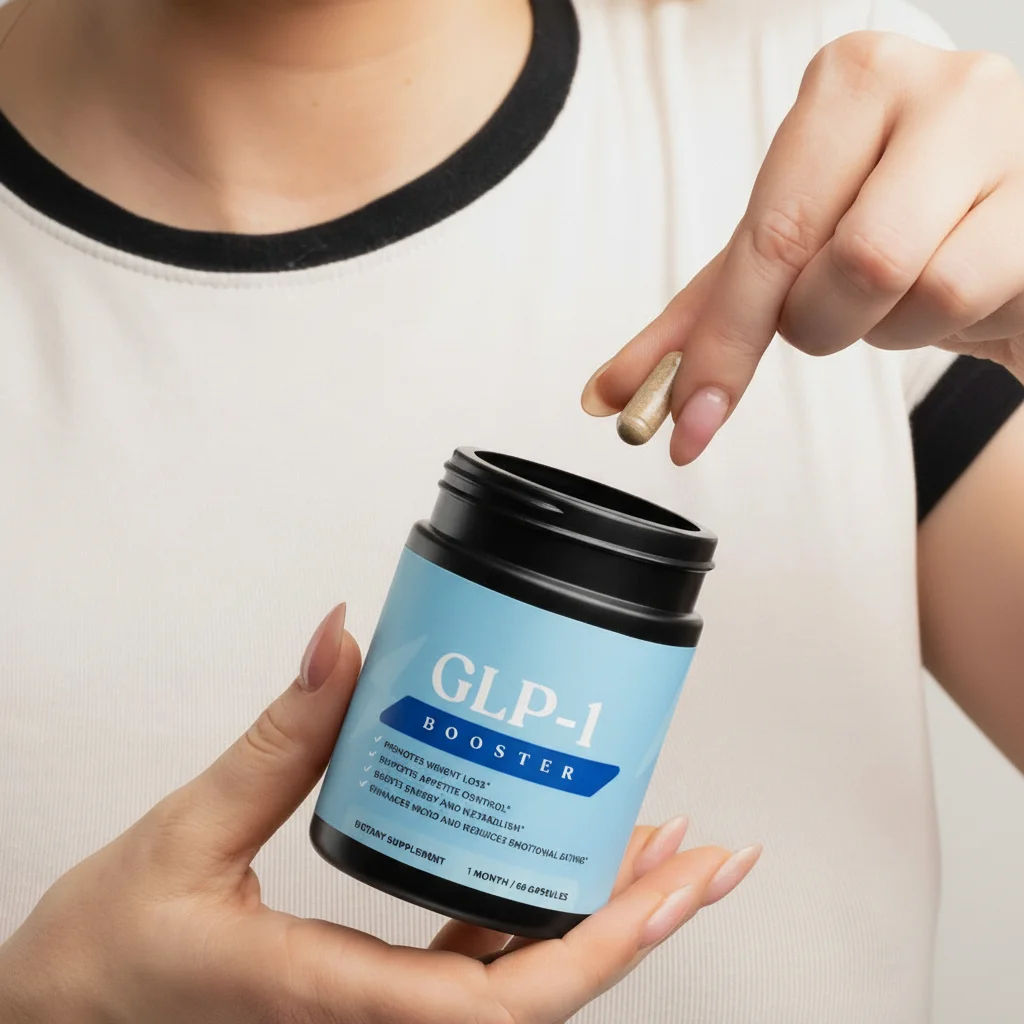
Because GLP-1 medications reduce the total amount of food you consume, micronutrient gaps can develop over time. Some nutrients to pay attention to include:
Talk to your doctor or pharmacist before adding supplements, as some can interact with other medications or aren't necessary based on your individual bloodwork.
Questions to Ask Your Provider About Food and GLP-1 Therapy
Before or after starting a GLP-1 medication, it's worth having a direct conversation with your prescribing provider or pharmacist about how to tailor your diet. Here are questions worth raising:
- How much protein should I be eating daily at my current weight and dose?
- Should I get baseline bloodwork to check for nutritional deficiencies?
- Is there a registered dietitian you can refer me to who has experience with GLP-1 patients?
- How should I handle days when nausea makes it hard to eat anything?
- Are any of my other medications affected by changes in what or how much I eat?
A good provider will welcome these questions. If you're looking for a provider with GLP-1 experience who takes a thorough, personalized approach, our Best Providers page can help you compare your options.

No waiting list. No insurance needed.





Frequently Asked Questions
What foods should I avoid while taking Ozempic or Wegovy?
High-fat fried foods, spicy dishes, sugary processed snacks, and carbonated drinks tend to worsen nausea and bloating on semaglutide. These foods slow gastric emptying further on top of what the medication already does, leading to discomfort that can last for hours.
Can I drink alcohol while taking a GLP-1 medication like Mounjaro?
Alcohol isn't strictly prohibited with GLP-1 medications, but it can worsen nausea, lower blood sugar (especially if you take other diabetes medications), and add empty calories that work against your goals. Occasional moderate drinking is generally considered low-risk, but frequent or heavy alcohol use is worth discussing with your provider.
Why do I feel sick after eating on semaglutide?
Semaglutide slows how quickly food leaves your stomach. Eating too quickly, eating too much, or choosing fatty or spicy foods can cause nausea, fullness, or vomiting because your stomach can't process food at the pace it used to. Smaller portions eaten slowly tend to help significantly.
How much protein should I eat while on a GLP-1 medication?
Most clinicians recommend between 1.2 and 1.6 grams of protein per kilogram of body weight daily. Because GLP-1 medications suppress appetite and reduce overall food intake, inadequate protein intake is a real risk, and low protein can accelerate muscle loss during weight reduction.
Does what I eat affect how well my GLP-1 medication works?
Yes, significantly. Poor food choices won't completely cancel the medication's effect, but eating nutrient-poor, high-calorie foods can limit how much weight you lose. GLP-1 medications work best when paired with a diet rich in protein, fiber, and whole foods that support the hormonal signals the drug is amplifying.
What should I eat when GLP-1 side effects make it hard to eat anything?
During periods of significant nausea, focus on soft, bland foods like plain crackers, oatmeal, broth-based soups, scrambled eggs, or a simple protein shake. Cold or room-temperature foods are often easier to tolerate than hot meals. Contact your provider if you can't keep food or fluids down for more than a day or two.
The Bottom Line: Food Is Part of Your GLP-1 Treatment, Not an Afterthought
GLP-1 medications are powerful tools. But they work inside a biological system that food also directly affects every single day. Thinking of your diet as separate from your medication is a missed opportunity.
The people who get the best long-term results on GLP-1 therapy tend to approach food and medication as a team, not as competing factors. They prioritize protein to protect muscle, eat fiber to support digestion, drink enough water, limit foods that worsen side effects, and pay attention to how their body responds.
This doesn't require perfection. It requires awareness and a willingness to adjust.
Small Changes Add Up
You don't need to overhaul your entire diet on day one. Start with one or two changes that feel manageable, whether that's adding a protein source to breakfast, swapping a carbonated drink for still water, or eating more slowly at dinner. Build from there as your body adjusts to the medication and your new appetite signals.
Most people find that after the first four to eight weeks, the nausea and food aversions ease considerably, especially when dose escalation is gradual. By that point, healthier eating habits often feel more natural because the medication itself is reducing cravings for ultra-processed foods.
When to Reach Out to Your Care Team
If side effects are severe, persistent, or affecting your ability to eat adequately for more than a few days, contact your prescribing provider. Dose adjustments, anti-nausea strategies, or a temporary pause in escalation can make a significant difference. You should also reach out if you're losing weight very rapidly, feeling lightheaded, or noticing signs of nutritional deficiency like fatigue, hair thinning, or muscle weakness.
A registered dietitian who specializes in GLP-1 therapy or obesity medicine can be one of the most valuable additions to your care team. Some telehealth GLP-1 providers include dietitian support or coaching as part of their programs. Compare programs and what's included on our Best Providers page.
Keeping Costs Manageable
One practical reality worth noting: eating more whole foods and protein-rich ingredients is generally more affordable than many people expect, especially compared to the cost of GLP-1 medications themselves. Eggs, canned fish, Greek yogurt, lentils, and frozen vegetables are cost-effective protein and fiber sources that pair well with GLP-1 therapy.
If medication cost is a concern, visit our GLP-1 Coupons page for savings programs, manufacturer offers, and telehealth options that may reduce your out-of-pocket expenses significantly. You deserve access to both the medication and the support around it to make this work for you.