

Here's what we'll cover
Here's what we'll cover
If you've noticed the beauty industry suddenly paying a lot of attention to GLP-1 users, you're not imagining it. From "GLP-1 skin" serums to collagen supplements marketed specifically for weight loss patients, brands are racing to capture a growing audience.
But what's actually happening to your body on these medications, and which beauty concerns deserve real attention versus which are just clever marketing?
Why Oral GLP-1 Medications Are a Turning Point
Injectable GLP-1 medications like Ozempic and Wegovy already had a massive cultural footprint. But the arrival of oral semaglutide options is changing the accessibility equation significantly.
When a medication requires a weekly injection, there's still a friction point that limits how many people actually start and stay on treatment. A daily pill removes that barrier for many patients. Broader access means more people are experiencing GLP-1-related body changes at the same time, and industries, including beauty, are responding to that volume.
This isn't just a trend story. It has real implications for you as a patient. As the market expands, you'll see more products, more claims, and more noise to sort through. Knowing what's real helps you spend your money and attention wisely.
What GLP-1 Medications Actually Do to Skin and Hair
GLP-1 receptor agonists like semaglutide and tirzepatide (the active ingredient in Mounjaro) work by mimicking a hormone that regulates appetite, blood sugar, and digestion. They don't directly target skin or hair follicles.
But rapid, significant weight loss, which many patients experience, absolutely affects both.
Skin Laxity After Weight Loss
When you lose a substantial amount of weight, your skin doesn't always shrink at the same pace. This is true whether the weight loss comes from GLP-1 medications, bariatric surgery, or any other method. The result is sometimes called "loose skin" or, clinically, skin laxity.
Collagen and elastin, the proteins that keep skin firm and bouncy, are produced more slowly as we age. Younger patients and those losing weight more gradually tend to have better skin retraction. Older patients or those who lose large amounts quickly may notice more pronounced looseness, particularly around the abdomen, upper arms, and thighs.
Hair Shedding: Telogen Effluvium
Temporary hair shedding is one of the more commonly reported side effects among GLP-1 users, and it has a name: telogen effluvium. It occurs when physiological stress, including rapid weight loss and significant calorie restriction, pushes more hair follicles into a resting phase simultaneously.
The good news is that telogen effluvium is almost always temporary. Hair typically begins returning to its normal growth cycle within three to six months. The less good news is that it can feel alarming when it's happening, and beauty brands have been quick to market products directly at this concern.
The Nutrition Connection Beauty Brands Won't Always Tell You
Here's something that gets less attention than it deserves: many of the skin and hair changes GLP-1 patients experience are directly tied to nutritional intake, not just weight loss itself.
GLP-1 medications significantly reduce appetite. For most patients, that's the point. But if reduced hunger leads to inadequate protein, vitamins, or minerals, your body prioritizes essential organ function over things like hair growth and collagen synthesis.
What to Prioritize Nutritionally
Getting enough protein is probably the single most important nutritional focus for GLP-1 patients concerned about body composition, skin, and hair. Most guidelines suggest 1.2 to 1.6 grams of protein per kilogram of body weight daily during active weight loss, though your provider may have specific recommendations for you.
Key micronutrients that support skin and hair health include:
- Biotin (though evidence for supplementation is weak unless you're deficient)
- Iron (deficiency is a common driver of hair shedding, especially in women)
- Zinc (involved in skin repair and hair follicle function)
- Vitamin D (low levels are associated with hair loss and poor skin healing)
- Vitamin C (essential for collagen synthesis)
Before spending money on beauty supplements marketed to GLP-1 users, ask your provider to check your labs. Targeted supplementation based on actual deficiencies is far more effective than generic "beauty" formulas.
How the Beauty Industry Is Responding (and What to Be Skeptical Of)
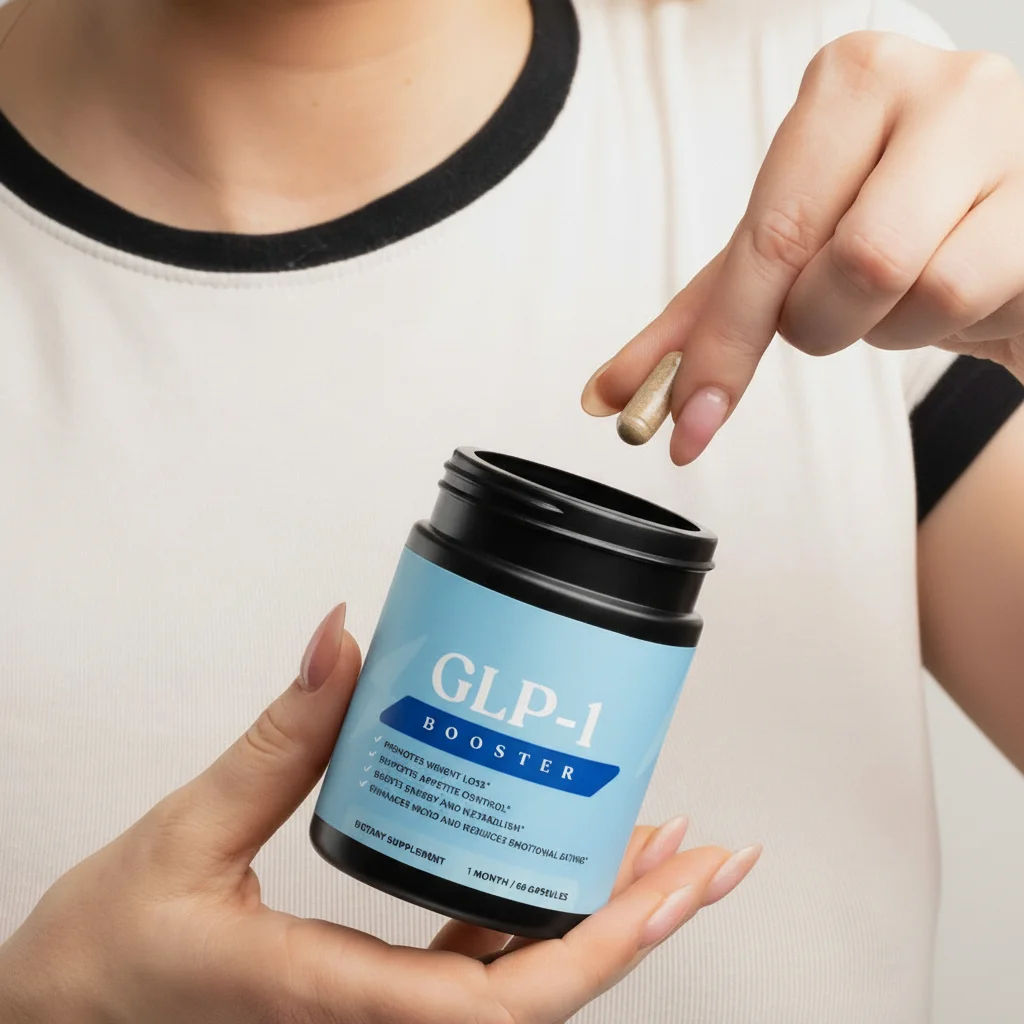
The beauty industry's interest in GLP-1 patients is accelerating fast. Here's a breakdown of what you'll encounter and how to think about each category.
The pattern is consistent: legitimate nutritional support has real evidence behind it, while most topically applied or cosmetically marketed "GLP-1 specific" products are riding the trend without the science.
Cosmetic Procedures: What GLP-1 Patients Are Actually Considering
As more people reach their goal weight or stabilize on GLP-1 therapy, interest in cosmetic procedures to address residual body changes is growing. This is a legitimate conversation worth having with qualified professionals, not beauty brands.
Non-Surgical Options Worth Discussing
- Radiofrequency and ultrasound skin tightening (devices like Thermage or Ultherapy) use energy to stimulate collagen production and tighten loose skin. They work best for mild to moderate laxity. Results are gradual and multiple sessions are often needed.
- Body contouring procedures like CoolSculpting are designed for fat reduction, not skin tightening. They're less relevant for patients who have already achieved significant fat loss through GLP-1 therapy.
- Microneedling with radiofrequency combines micro-injuries with energy delivery to stimulate skin remodeling. Some dermatologists are seeing increased demand from GLP-1 patients for this approach.
Surgical Options
For patients with significant loose skin after large weight loss, procedures like abdominoplasty (tummy tuck) or body lift surgeries may be the most effective option. These are major surgical decisions that require careful evaluation, stable weight for at least six to twelve months, and consultation with a board-certified plastic surgeon.
If you're considering this path, timing matters. Most surgeons recommend waiting until your weight has been stable for at least six months before pursuing body contouring surgery.
What This Beauty Shift Means for How GLP-1 Medications Are Perceived
There's a broader cultural angle here worth acknowledging. As GLP-1 medications move from injectable to oral formats and become more widely used, they're becoming part of mainstream health and wellness culture in a new way.
That's not universally positive or negative. It means more people who might genuinely benefit from these medications may feel less stigma about trying them. It also means more marketing pressure and potentially more misinformation to navigate.
For patients, this cultural moment is an opportunity to get clearer about your own goals. Are you taking a GLP-1 medication for metabolic health, diabetes management, cardiovascular risk reduction, or weight loss? Each of those goals has a different relationship to the beauty industry's narrative.
Your provider's framing of your treatment should center on health outcomes, not appearance. If you're feeling pressure to look a certain way during or after treatment, that's worth bringing up directly.
The Cost Reality: GLP-1 Medications vs. Beauty Add-Ons
GLP-1 medications are already a significant financial commitment for most patients without insurance coverage. The last thing most people need is to spend additional hundreds of dollars monthly on beauty products with weak evidence.
If budget is a concern, your best investment is in your nutrition first, a good lab panel to catch deficiencies early, and finding GLP-1 coupons or more affordable provider options to manage your medication costs.

No waiting list. No insurance needed.





Frequently Asked Questions
Does semaglutide cause hair loss?
Semaglutide doesn't directly cause hair loss, but the rapid weight loss and caloric restriction that often come with it can trigger telogen effluvium, a temporary increase in hair shedding. This typically resolves within three to six months as your body adjusts. Ensuring adequate protein and checking for nutritional deficiencies like iron or zinc can help minimize the impact.
Will I get loose skin from losing weight on a GLP-1 medication?
Skin laxity depends on several factors including age, genetics, the amount of weight lost, and how quickly you lose it. Not everyone experiences significant loose skin. Losing weight more gradually, maintaining muscle mass through resistance exercise, and getting adequate protein can all support better skin retraction during GLP-1 therapy.
Are there GLP-1 pills available now, or only injections?
Oral semaglutide (brand name Rybelsus) is FDA-approved for type 2 diabetes management. Oral formulations for weight loss are in advanced clinical development. Some telehealth providers also offer compounded oral semaglutide, though the regulatory landscape around compounded versions is evolving. Talk to a provider about which format is appropriate for your situation.
What vitamins should I take while on GLP-1 medications?
There's no universal vitamin protocol for GLP-1 users, and the best approach is to get your labs checked first. Common deficiencies to watch for include iron, vitamin D, vitamin B12, and zinc. A healthcare provider can recommend targeted supplementation based on your actual results rather than a generic formula.
Are the skincare products marketed for GLP-1 users worth buying?
Most products labeled specifically for "GLP-1 skin" are standard skincare formulations with updated marketing. There's no clinical evidence that any topical product specifically addresses GLP-1-related skin changes. Well-formulated retinoids, moisturizers with ceramides, and adequate sun protection remain the evidence-based skincare staples regardless of whether you're on a GLP-1 medication.
When should I consider cosmetic procedures for loose skin after GLP-1 weight loss?
Most cosmetic surgeons recommend waiting until your weight has been stable for at least six to twelve months before considering body contouring procedures. This ensures the surgical results aren't compromised by further weight changes. Non-surgical options like radiofrequency tightening can be explored earlier, but discuss timing with both your GLP-1 provider and a board-certified dermatologist or plastic surgeon.
The Bottom Line: Don't Let the Beauty Industry Write Your GLP-1 Story
GLP-1 medications are genuinely changing how millions of people relate to their bodies, and the beauty industry is responding accordingly. Some of that response reflects real patient needs. Most of it is commercial opportunism dressed up as wellness.
Your actual priorities as a GLP-1 patient are simpler and more grounded than the trend coverage suggests.
Eat enough protein. Get your labs checked regularly. Talk to your provider about any physical changes that concern you, whether that's hair shedding, skin changes, or questions about body composition. Be skeptical of products that promise to "fix" the cosmetic side effects of your medication without credible evidence behind them.
If you're experiencing body changes that bother you, cosmetic dermatology and plastic surgery consultations are legitimate tools, but they're decisions to make deliberately, not reactively because a beauty brand told you that you need their product.
What to Ask Your Provider
If you're currently on a GLP-1 medication or considering starting one, these are worth raising at your next appointment:
- "Can we check my iron, vitamin D, and B12 levels?"
- "Am I getting enough protein given my current food intake?"
- "Is the hair shedding I'm experiencing something we should monitor?"
- "What's a realistic timeline for skin changes as I continue losing weight?"
- "At what point would a dermatology or body contouring referral make sense?"
These questions keep the focus where it belongs: on your health, your data, and your individualized plan, not on a beauty trend cycle.
Finding the Right GLP-1 Provider Matters
The quality of care you receive on a GLP-1 medication directly affects how you navigate everything discussed in this article. A provider who monitors your labs, checks your nutrition status, and discusses body composition alongside weight loss is going to serve you far better than one who simply prescribes the medication and disappears.
If you're still choosing a provider or looking to switch to one that offers more comprehensive support, the Best Providers comparison on GLP-1.com is a practical starting point. You can also explore GLP-1 Coupons if medication costs are a concern, because keeping your treatment affordable is fundamental to everything else working.
The GLP-1 pill era may be reshaping beauty culture, but your relationship with your own health doesn't have to be defined by that. Make decisions based on evidence, stay in close communication with your care team, and let the trend cycle do what trend cycles do.