

Here's what we'll cover
Here's what we'll cover
Why People Are Taking GLP-1 Drugs Without a Doctor
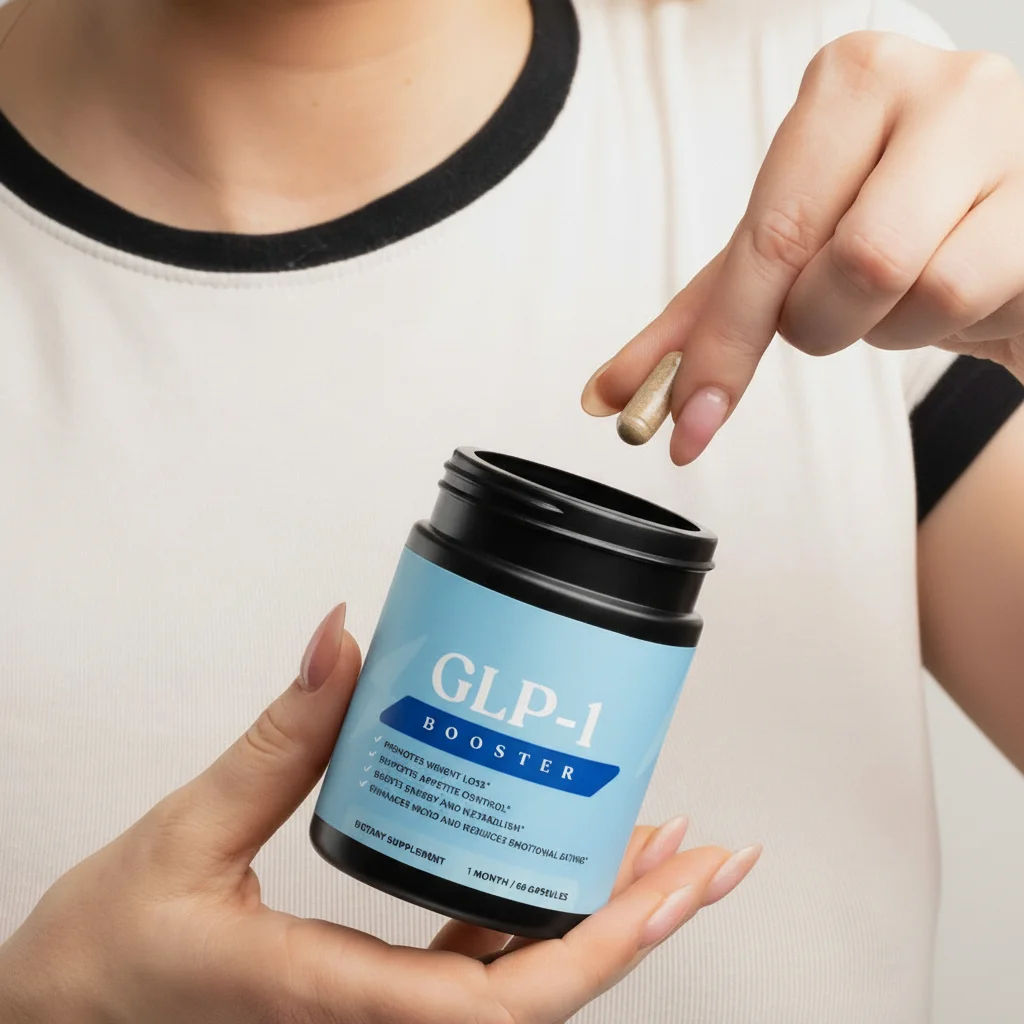
If you've spent any time reading about Ozempic or Wegovy, you already know that access and cost are real barriers. That frustration has driven some people to find another way: self-medication.
A Brazilian university study examined self-medication with semaglutide and liraglutide among students and professors at Universidade Santo Amaro who were using these medications for weight loss. The findings are striking. A meaningful portion of respondents reported using medications like semaglutide on their own, without a prescription or physician oversight. Their motivations ranged from cost and access issues to simple impatience with the healthcare system.
This isn't just a Brazilian problem. Similar patterns are emerging in the United States, where high out-of-pocket costs and long wait times push some patients toward gray-market or compounded GLP-1 options obtained without a proper medical evaluation.
What the Brazilian Study Actually Found
The cross-sectional study captured self-reported data from students and professors at a Brazilian university, in a country where semaglutide has seen explosive demand but where regulatory oversight varies considerably by region.
Key findings from the research pointed to several consistent patterns among self-medicators:
- Many respondents had no formal obesity diagnosis or clinical indication documented by a physician.
- A significant number reported sourcing medications through pharmacies without a prescription or through informal channels.
- Side effects were common among self-medicators, and many did not know when to seek medical help.
- Dose escalation, which requires careful physician monitoring, was often handled by the patient themselves based on online information.
What the researchers emphasized is that GLP-1 receptor agonists (GLP-1 RAs) are not over-the-counter supplements. They are sophisticated hormonal medications that interact with the body's insulin secretion, appetite signaling, and gastric motility. Using them without a proper clinical workup is not just risky, it can be dangerous.
The Medical Risks of Going It Alone
GLP-1 receptor agonists work by mimicking a naturally occurring gut hormone called glucagon-like peptide-1. When used correctly under physician supervision, they are among the most effective tools available for type 2 diabetes management and chronic weight management.
When used incorrectly, the risks multiply quickly.
Thyroid and Pancreatic Concerns
Both semaglutide (the active ingredient in Ozempic and Wegovy) and tirzepatide (found in Mounjaro) carry an FDA black box warning regarding a potential risk of thyroid C-cell tumors, based on animal studies. Patients with a personal or family history of medullary thyroid carcinoma or Multiple Endocrine Neoplasia syndrome type 2 (MEN 2) are contraindicated from using these drugs.
Without a physician review, no one is screening for these conditions.
Pancreatitis is another serious concern. GLP-1 medications have been associated with cases of acute pancreatitis. Patients with a history of pancreatitis or gallbladder disease need a careful risk-benefit discussion before starting. Self-medicators skip that step entirely.
Dangerous Drug Interactions
GLP-1 drugs slow gastric emptying, meaning food and other medications move through your digestive system more slowly. This can alter the absorption rate of oral medications, including:
- Blood thinners like warfarin
- Oral contraceptives
- Thyroid hormone replacement (levothyroxine)
- Certain antibiotics
If you're taking any of these and you add a GLP-1 drug without telling your doctor, you may be quietly disrupting your other treatments without realizing it.
Dosing Errors and Escalation Risks
GLP-1 medications use a structured dose escalation protocol specifically designed to minimize side effects. For semaglutide (Wegovy), the typical escalation looks like this:
Self-medicators often skip steps or escalate too fast because they want results sooner. This dramatically increases the risk of severe nausea, vomiting, dehydration, and in serious cases, hospitalization.
Why This Matters Even If You're in the U.S.
You might be reading this and thinking, "This is a study from Brazil. Why does it affect me?" The honest answer is that the underlying conditions driving self-medication are universal.
Cost is the number one driver. Without insurance coverage, branded GLP-1 medications can run $900 to $1,300 per month in the United States. For many people, that's completely out of reach. And when something feels out of reach through official channels, people find unofficial ones.
In the U.S., this has played out through:
- Telehealth platforms prescribing compounded semaglutide, some legitimate, some not
- Online purchases from overseas pharmacies
- Sharing medications between family members
- Using Ozempic (approved for diabetes) for weight loss without a formal visit
Each of these approaches carries some level of risk that a proper medical relationship eliminates.
What a Proper GLP-1 Evaluation Actually Looks Like
If you're considering a GLP-1 medication, here's what a legitimate, supervised evaluation typically includes. Understanding this helps you recognize what you'd be skipping if you tried to go around the system.
Medical History Review
Your provider will ask about personal and family history of thyroid cancer, pancreatitis, kidney disease, gallbladder disease, and eating disorders. This isn't bureaucratic red tape. Each of these factors can change whether a GLP-1 drug is safe for you.
Current Medication Review
A full medication reconciliation ensures your provider can identify any interactions with your existing prescriptions or supplements.
Baseline Lab Work
Many providers order a metabolic panel, HbA1c (a measure of average blood sugar over three months), thyroid function tests, and a lipid panel before starting GLP-1 therapy. These establish a baseline so they can track your progress and catch problems early.
BMI and Clinical Indication
GLP-1 drugs for weight management are FDA-approved for adults with a BMI of 30 or higher, or 27 or higher with at least one weight-related condition like high blood pressure, type 2 diabetes, or high cholesterol. A physician confirms this threshold, which also matters for insurance coverage.
Ongoing Monitoring
Getting a prescription is just the beginning. Good providers schedule follow-up visits at 4 to 12 week intervals to review side effects, assess effectiveness, and adjust the dose if needed. This ongoing relationship is what keeps you safe over the long term.
The Cost Problem Has Real Solutions
The Brazilian study highlights that access and cost are the real engines driving self-medication. That's a legitimate concern, and it deserves a legitimate answer.
Here's the reality for U.S. patients: supervised GLP-1 access has never been more affordable than it is right now, particularly through telehealth providers who operate online and keep overhead low.
Reputable telehealth platforms require an intake questionnaire, a provider review, and ongoing check-ins. You get real medical supervision at a fraction of the cost of traditional clinic visits. That middle path, affordable and supervised, is exactly what the self-medication trend suggests people are searching for.
You can also explore GLP-1 Coupons and manufacturer savings programs that can reduce out-of-pocket costs for branded medications significantly.
Questions to Ask Before Starting Any GLP-1 Medication
Whether you're speaking with a primary care physician or using a telehealth platform, asking the right questions protects you. Here are seven questions worth bringing to your first appointment:
- Am I a good candidate based on my medical history?
- Do any of my current medications interact with semaglutide or tirzepatide?
- What lab work should I get before starting?
- What side effects should prompt me to call you immediately?
- How will we track whether this medication is working?
- What happens if I need to stop suddenly?
- Is compounded semaglutide a safe and appropriate option for me given current FDA guidance?
These are not difficult questions. Any qualified provider should welcome them. If they can't answer them or dismiss them, that's a signal to find a different provider. You can compare vetted options at telehealth providers.

No waiting list. No insurance needed.





Frequently Asked Questions
Is it safe to take semaglutide or Ozempic without a prescription?
No. Semaglutide and similar GLP-1 medications carry significant safety considerations, including contraindications for people with certain thyroid conditions, a history of pancreatitis, or those taking specific medications. Without a physician review, you won't know if these apply to you, and you risk serious side effects with no medical guidance on how to respond.
What are the risks of self-medicating with GLP-1 drugs?
The main risks include incorrect dosing and escalation, dangerous interactions with other medications, missing contraindications like thyroid cancer risk factors, and having no one to contact if a serious side effect occurs. Pancreatitis, severe dehydration from vomiting, and cardiovascular stress are among the more serious potential outcomes.
Why do people self-medicate with GLP-1 medications?
The most common reasons are high cost, lack of insurance coverage, limited access to physicians, and long wait times for specialist appointments. The Brazilian study found that these systemic access barriers, not recklessness, are the primary drivers of unsupervised use.
How can I get GLP-1 medications affordably without self-medicating?
Telehealth platforms have made supervised GLP-1 prescriptions significantly more affordable, with compounded semaglutide options available from roughly $100 to $350 per month. Manufacturer savings cards, patient assistance programs, and GLP-1 coupon resources can also reduce the cost of branded versions substantially.
Is compounded semaglutide safe compared to brand-name Wegovy or Ozempic?
Compounded semaglutide from an FDA-registered compounding pharmacy can be a legitimate, lower-cost option when prescribed and supervised by a licensed provider. The key distinction is supervision: compounded through a proper prescription process is very different from obtaining a drug without any medical involvement.
What medical tests do you need before starting a GLP-1 medication?
Most providers order baseline lab work including a metabolic panel, HbA1c, thyroid function tests, and a lipid panel. They will also conduct a full medication review and medical history intake to screen for contraindications. These steps are standard and essential for safe initiation.
The Bottom Line: Supervised Access Is More Attainable Than You Think
The research from Brazil is a mirror held up to a global problem. When patients can't access affordable, supervised care, they find other ways. That's not a moral failing. It's a rational response to a broken system.
But the risks of self-medication with GLP-1 drugs are real, and they aren't worth taking when supervised options have become genuinely accessible. The barrier that once justified going around the system, cost and access, has largely been addressed by the growth of telehealth GLP-1 prescribing.
Here's what this means practically for you:
If cost has been your barrier, explore compounded semaglutide through a legitimate telehealth platform. Many people are paying $150 to $300 per month with full physician oversight. That's meaningfully different from paying $1,200 per month for a brand-name drug.
If access has been your barrier, telehealth eliminates the need to travel to a specialist. You can complete a full intake evaluation, get lab work ordered, and receive a prescription without leaving your home.
If confusion about providers has been your barrier, independent comparison resources make it easier to find a vetted, trustworthy platform. You don't have to guess at which services are legitimate.
The goal isn't to lecture anyone who has already tried to manage this on their own. It's to make clear that the safer path and the affordable path are now usually the same path.
GLP-1 medications represent a genuine advance in treating obesity and type 2 diabetes. The evidence behind them is strong. But that evidence was built on medically supervised clinical trials, not self-administered protocols from online forums.
You deserve proper care, and you may be closer to it than you think.
If you're ready to take the next step, check the telehealth providers comparison to find a supervised option that fits your budget. You can also browse GLP-1 Coupons to cut costs on branded medications if that's the route your physician recommends.
Always speak with a licensed healthcare provider before starting, changing, or stopping any GLP-1 medication. Your specific health history matters, and no article, forum, or well-meaning friend can substitute for that evaluation.