

Here's what we'll cover
Here's what we'll cover
If you've noticed more hair in your brush or shower drain since starting a GLP-1 medication, you're not imagining things. Studies now confirm that hair loss is a real, if uncommon, side effect associated with drugs like Ozempic, Wegovy, and Mounjaro.
The good news is that understanding why it happens puts you in a much better position to manage it.
How Common Is Hair Loss with GLP-1 Medications?
Hair loss appears in a small minority of people taking GLP-1 drugs. In clinical trial data for semaglutide (the active ingredient in Ozempic and Wegovy), roughly 3% of participants reported hair loss, compared to about 1% in placebo groups. For tirzepatide (the active ingredient in Mounjaro), similar low-level signals emerged in trial data.
These numbers sound small, but when millions of people are taking these medications worldwide, "rare" still means a meaningful number of people are affected. Pharmacovigilance databases, which track real-world adverse event reports, have seen an uptick in hair loss reports tied to GLP-1 drugs as prescriptions have surged.
It is worth noting that the FDA label for Wegovy does list alopecia (the medical term for hair loss) as a reported side effect. So this is not an undocumented concern. It is a recognized part of the medication's profile.
Why Does This Happen? Understanding Telogen Effluvium
The most widely accepted explanation is not that GLP-1 drugs directly damage hair follicles. Instead, researchers believe the shedding is driven by a condition called telogen effluvium.
What Is Telogen Effluvium?
Your hair grows in cycles. At any given time, most follicles are in an active growth phase, while a smaller portion are in a resting phase (called the telogen phase) before naturally shedding. Physical stressors, including rapid weight loss, significant calorie restriction, and illness, can shock a larger-than-normal number of follicles into that resting phase at once.
The result is noticeable shedding that typically starts 2-4 months after the triggering event. Since GLP-1 medications often produce rapid weight loss in the first months of treatment, the timing lines up precisely.
Is the Drug Itself the Problem?
This is an important distinction. The shedding appears linked to the metabolic stress of losing weight quickly, rather than a direct toxic effect of semaglutide or tirzepatide on hair follicles. Animal studies have not shown direct follicle damage from GLP-1 receptor agonists, and human histology (tissue analysis) from affected patients has generally been consistent with telogen effluvium rather than drug-induced alopecia.
That said, some researchers are not ruling out a direct mechanism entirely, particularly as GLP-1 receptors have been identified in skin and hair follicle tissue. This remains an active area of study.
Who Is Most at Risk?
Not everyone who takes a GLP-1 medication will experience hair loss. Certain factors appear to raise the risk.
Rapid or Large Amount of Weight Loss
The faster and more dramatic the weight loss, the greater the physiological stress on your body, including your hair follicles. People losing more than 1-2 pounds per week consistently appear more likely to report shedding.
Low Protein Intake
GLP-1 drugs suppress appetite significantly. Some people on these medications eat very little and, without careful attention, may not consume enough protein. Protein is essential for keratin production, the structural protein that makes up your hair. Deficiency accelerates shedding.
Pre-existing Nutritional Deficiencies
Low levels of iron, ferritin (stored iron), zinc, biotin, and vitamin D are all independently associated with hair loss. A GLP-1 medication that reduces your overall food intake can worsen borderline deficiencies that were already present.
Women and People with a History of Hair Thinning
Women are more susceptible to telogen effluvium in general. People who already have some degree of androgenetic alopecia (pattern hair loss) may notice the shedding more acutely.
What the Timeline Looks Like
Understanding when hair loss starts and stops can make this side effect feel a lot less alarming.
Most people who experience telogen effluvium related to GLP-1 treatment see spontaneous resolution without stopping the medication. Hair density usually returns to baseline as the body adapts to its new weight.
Practical Steps to Protect Your Hair
You don't have to choose between weight loss and your hair. There are concrete steps you can take to minimize shedding while staying on your medication.
Prioritize Protein at Every Meal
Aim for at least 1.2-1.6 grams of protein per kilogram of body weight per day while on a GLP-1 medication. Given that these drugs reduce hunger significantly, you may need to be intentional about eating protein-dense foods even when you don't feel hungry. Good sources include eggs, Greek yogurt, cottage cheese, chicken, fish, legumes, and protein shakes.
Check Your Micronutrient Levels
Ask your provider to check your levels of ferritin (not just hemoglobin), zinc, vitamin D, and B12 before or shortly after starting treatment. Correcting deficiencies proactively can significantly blunt hair loss before it starts.
Avoid Crash-Level Calorie Restriction
GLP-1 medications can make it easy to eat very little. Eating below 1,000-1,200 calories per day for extended periods puts substantial stress on your body. Work with your provider or a registered dietitian to set a reasonable calorie floor that still supports weight loss without triggering severe metabolic stress.
Be Gentle with Your Hair
While shedding is happening, reduce additional stressors on your hair. Limit heat styling, tight hairstyles, aggressive brushing, and chemical treatments. These don't cause telogen effluvium, but they can worsen the visible effects.
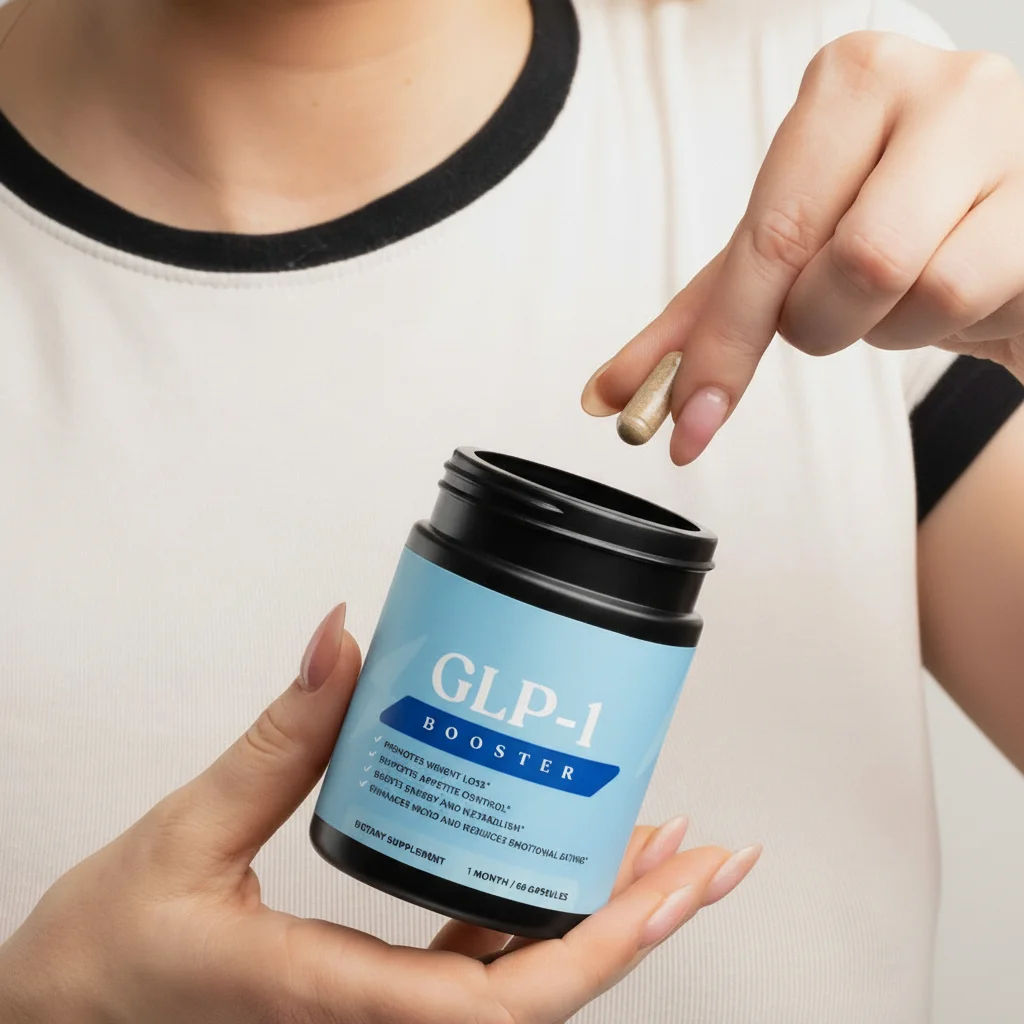
Consider a Hair-Supportive Supplement
Some people find benefit from supplements containing biotin, collagen, or saw palmetto, though evidence for these is modest. Discuss any supplements with your provider before starting them, especially if you're managing other conditions.
Should You Stop Your GLP-1 Medication?
For most people, no. Stopping a GLP-1 medication because of hair loss means losing the metabolic, cardiovascular, and weight-management benefits that the treatment provides. In most cases, shedding resolves on its own as your rate of weight loss stabilizes.
That said, if your hair loss is severe, distressing, or not improving after 6-9 months, have a direct conversation with your prescribing provider. They may want to rule out other causes, such as thyroid dysfunction or autoimmune alopecia, which are unrelated to GLP-1 treatment but can coincide with it.
Your provider might also adjust your dosing schedule to slow the rate of weight loss intentionally, which can reduce the physiological stress driving the shedding. This is a legitimate clinical strategy worth discussing.
Finding a knowledgeable provider matters here. The best GLP-1 providers will monitor you for side effects like this and work with you to adjust your plan rather than simply dismissing your concerns.

No waiting list. No insurance needed.





Frequently Asked Questions
Does Ozempic cause hair loss?
Hair loss has been reported by some people taking Ozempic (semaglutide), and it appears in pharmacovigilance data. However, it is relatively uncommon, affecting a small percentage of users. The most likely cause is telogen effluvium triggered by rapid weight loss rather than a direct effect of semaglutide on hair follicles.
Is hair loss from GLP-1 drugs permanent?
In the vast majority of cases, no. Hair loss associated with GLP-1 medications is typically telogen effluvium, a temporary shedding condition that resolves on its own. Most people see their hair density return to baseline within 6-9 months without stopping their medication.
How do I stop hair loss while taking Wegovy or Ozempic?
Focus on getting adequate protein (at least 1.2-1.6 grams per kilogram of body weight daily), check for and correct nutritional deficiencies like low ferritin or vitamin D, avoid extremely low-calorie eating, and reduce physical stress on your hair. Talk to your provider if shedding is severe or prolonged.
When does hair loss start after beginning a GLP-1 medication?
Most people notice increased shedding about 2-4 months after starting a GLP-1 drug. This delay is characteristic of telogen effluvium, where there is a lag between the triggering stressor and the visible hair loss.
Does tirzepatide (Mounjaro) cause hair loss?
Hair loss has been reported with tirzepatide as well, at similarly low rates as with semaglutide. The mechanism is believed to be the same: rapid weight loss triggering telogen effluvium rather than the drug directly harming hair follicles.
Should I stop my GLP-1 medication if I'm losing hair?
Most experts advise against stopping the medication solely due to hair loss, since the shedding is typically temporary and reversible. Talk to your provider before making any changes. They can help rule out other causes, adjust your dosing, or recommend nutritional strategies to manage the side effect.
The Bottom Line: Manageable, Not a Reason to Stop
Hair loss is a real side effect of GLP-1 medications, and studies are now formalizing what many patients had already reported. But "real" does not mean "permanent" or "unmanageable."
The evidence points strongly toward telogen effluvium as the primary driver. This is a temporary, reversible process. Your follicles are reacting to the physical stress of losing weight quickly, not being permanently damaged by your medication. For the vast majority of people, shedding peaks and then resolves as the body adapts.
What you can control matters. Protein intake, micronutrient levels, and the pace of your weight loss all influence how severe and how prolonged the shedding will be. These are things you can address proactively with your provider, starting before symptoms even appear.
If you haven't yet started treatment or are still comparing options, it's worth knowing that this side effect profile is broadly similar across the major GLP-1 drugs, including Wegovy, Ozempic, and Mounjaro. No single medication appears to carry dramatically higher or lower hair loss risk based on current data.
The most important step you can take is working with a provider who takes your concerns seriously, monitors you for side effects, and adjusts your plan when needed. Dismissing hair loss as trivial or failing to screen for nutritional deficiencies are gaps in care that a good provider won't leave open.
GLP-1.com can help you find providers who specialize in GLP-1 therapy and understand the full picture of what these medications involve. Browse provider comparisons, or if cost is a concern, explore available GLP-1 coupons and savings options to make staying on your treatment plan more affordable.
As always, consult your physician or prescribing provider before making any changes to your medication or supplement routine.