

Here's what we'll cover
Here's what we'll cover
GLP-1 Drugs Are Working. So Why Are Doctors Worried?
If you've been following news about weight loss medications, you've probably seen the headlines. GLP-1 receptor agonists like Ozempic (semaglutide) and Mounjaro (tirzepatide) are linked to real, measurable declines in obesity rates across the United States. That's genuinely good news for millions of people who've struggled with weight-related health conditions for years.
But alongside those results, physicians are raising a serious alarm. These medications are increasingly being used by people who don't need them medically, sourced from questionable suppliers, or taken without any professional oversight. And that creates risks that don't get talked about enough.
Here's what you actually need to know if you're considering or currently using a GLP-1 medication.
What the Obesity Data Actually Shows
GLP-1 receptor agonists work by mimicking a hormone your gut naturally releases after eating. They slow digestion, reduce appetite, and help regulate blood sugar. In clinical trials, semaglutide (the active ingredient in Wegovy and Ozempic) helped people lose an average of 15% of their body weight. Tirzepatide, the active ingredient in Mounjaro and Zepbound, showed even higher averages in some trials.
At a population level, that kind of efficacy adds up. Prescriptions for GLP-1 medications have grown exponentially since 2021, and early public health data suggests obesity prevalence in some demographics is beginning to flatten or decline for the first time in decades.
This is not nothing. Obesity is a chronic disease linked to type 2 diabetes, heart disease, sleep apnea, joint damage, and certain cancers. Any meaningful downward shift in rates has ripple effects across healthcare systems.
What the Data Doesn't Tell Us
Population trends take years to confirm. Researchers are careful to note that it's too early to draw definitive conclusions about causation. Other factors, including changes in diagnosis, shifts in how patients seek care, and broader lifestyle changes, may also play a role. The data is promising, but it's not yet a complete picture.
Who GLP-1 Medications Are Actually Designed For
This is where a lot of confusion starts. GLP-1 medications aren't intended to help someone lose a few pounds before a vacation. They were developed, studied, and FDA-approved for specific clinical populations.
Current FDA-approved indications include:
- Adults with a body mass index (BMI) of 30 or higher (obesity)
- Adults with a BMI of 27 or higher plus at least one weight-related condition such as high blood pressure, type 2 diabetes, or high cholesterol
- Adults with type 2 diabetes who need improved blood sugar control
If you fall into one of these categories, GLP-1 therapy can be a legitimate and potentially life-changing treatment option. If you don't, using these medications comes with real risks and very little clinical justification.
What Doctors Mean by "Alarming Misuse"
When physicians talk about misuse of GLP-1 medications, they're not referring to a single pattern. They're describing several overlapping problems that have emerged as these drugs became mainstream.
Using GLP-1s for Purely Cosmetic Weight Loss
Some people without obesity or metabolic conditions are seeking out these medications to lose 10 to 20 pounds for aesthetic reasons. Without excess weight putting strain on metabolic systems, the risks shift in a concerning direction. Rapid weight loss in people at a healthy weight can lead to significant muscle loss, nutritional deficiencies, and in some cases, cardiac stress.
Getting Medications Without a Prescription or Supervision
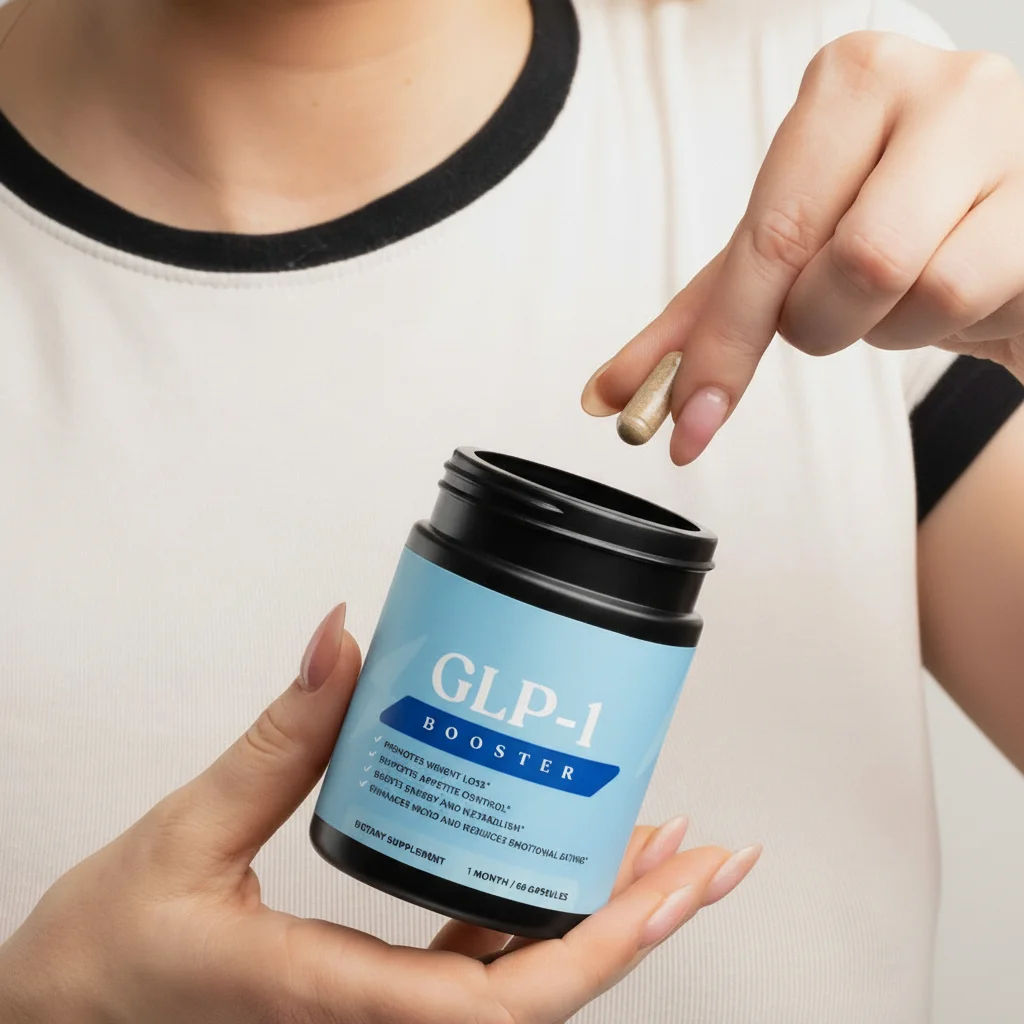
This is arguably the most dangerous form of misuse. Some individuals are sourcing injectable semaglutide or tirzepatide from unregulated online vendors, international pharmacies, or even informal networks. These products may be mislabeled, contaminated, or dosed incorrectly. The FDA has issued multiple warnings about counterfeit and compounded GLP-1 products that do not meet pharmaceutical safety standards.
Skipping Follow-Up Care
Even patients who start on GLP-1 medications through a legitimate provider sometimes stop checking in once they get their prescription. But these medications require ongoing monitoring. Your provider needs to track your weight trends, watch for side effects, adjust your dose over time, and screen for rare but serious complications like pancreatitis or gallbladder issues.
Using Compounded Versions Without Understanding the Risks
During periods of brand-name shortage, the FDA allowed compounding pharmacies to produce versions of semaglutide and tirzepatide. Some of these compounded products were clinically appropriate, but many were not. Now that shortages have eased for several formulations, the FDA has restricted compounding for these drugs. Patients using compounded versions should confirm their pharmacy's current authorization status with their provider.
The Real Risks of Unsupervised Use
If you're considering a GLP-1 medication, understanding the risk profile matters. These are powerful drugs that affect multiple hormone systems. Used appropriately, the benefit-risk profile is favorable for people with obesity or diabetes. Used carelessly, the risks become harder to justify.
Documented side effects include:
- Nausea, vomiting, and diarrhea (especially during dose escalation)
- Constipation and bloating
- Fatigue and dizziness
- Gallbladder complications, including gallstones
- Rare cases of pancreatitis (inflammation of the pancreas)
- Potential thyroid C-cell changes (observed in animal studies; relevance to humans is still being studied)
- Muscle mass loss if not paired with adequate protein intake and resistance exercise
For people without obesity or metabolic disease, these risks aren't offset by the same degree of clinical benefit. That's why physician oversight isn't optional. It's protective.
How to Know If You're a Legitimate Candidate
The best first step is an honest conversation with a licensed medical provider. Not every provider who prescribes GLP-1 medications will be the right fit. You want someone who will take a full medical history, review your current medications for interactions, and set realistic expectations, not just write a script.
Questions to Ask Your Provider
- Am I clinically eligible for a GLP-1 medication based on my BMI and health history?
- Which specific medication and formulation is right for my situation?
- How will we monitor my progress and adjust my dose?
- What side effects should prompt me to call you right away?
- Is the pharmacy or telehealth platform I'm using dispensing an FDA-authorized product?
If a provider seems eager to prescribe without asking many questions, that's a red flag. Reputable telehealth platforms require intake forms, medical history review, and often lab work before prescribing.
The Cost Factor Is Driving Some Risky Choices
Let's be honest about something. Cost is not a small issue here. Brand-name GLP-1 medications can run $900 to $1,400 per month without insurance. That's a real barrier for millions of people who are medically eligible and want access.
When people can't afford legitimate access, some turn to underground sources, unverified online pharmacies, or compounded versions from pharmacies that may not meet safety standards. This is understandable as a response to a broken cost system. But it creates genuine safety risks.
The better path is to look for legitimate cost-reduction options, including manufacturer coupons, telehealth platforms that offer lower dispensing fees, and insurance appeals for patients who meet clinical criteria. You can explore current savings options on our GLP-1 Coupons page.
How to Evaluate Telehealth Providers Offering GLP-1 Prescriptions
The rise of telehealth has made it easier to access GLP-1 prescriptions, which is genuinely positive for people who lack local specialist access. But not all telehealth platforms operate with the same standards.
Green Flags to Look For
- Requires a full intake questionnaire and medical history
- Conducts a synchronous or asynchronous review by a licensed physician or nurse practitioner
- Clearly states which pharmacy fulfills prescriptions and confirms it's FDA-authorized
- Offers ongoing follow-up visits, not just a one-time prescription
- Is transparent about pricing, including medication cost separate from consultation fees
Red Flags to Avoid
- Promises a prescription after answering only a few basic questions
- Promotes compounded semaglutide without disclosing its regulatory status
- Has no clear path for follow-up or dose adjustment
- Lists no licensed providers or medical advisory structure on its website
- Offers pricing that seems dramatically below market without a clear explanation
Our Best Providers comparison page evaluates telehealth platforms across these criteria, so you can compare options before committing.

No waiting list. No insurance needed.





Frequently Asked Questions
Can I take a GLP-1 medication if I'm not obese but want to lose weight?
GLP-1 medications are FDA-approved for adults with a BMI of 30 or higher, or a BMI of 27 or higher with a weight-related condition like high blood pressure or type 2 diabetes. Using them outside these indications carries real risks, including muscle loss and nutritional deficiencies, without strong clinical evidence of benefit. Talk to a physician before pursuing these medications for cosmetic weight loss.
What are the dangers of buying GLP-1 medications online without a prescription?
Unsupervised sourcing from unregulated online vendors puts you at risk of receiving mislabeled, contaminated, or incorrectly dosed products. The FDA has issued warnings about counterfeit versions of semaglutide and tirzepatide circulating in unregulated markets. Without a provider overseeing your care, you also have no safety net if you develop serious side effects.
Are compounded semaglutide or tirzepatide products safe?
Some compounded versions were authorized during official FDA shortage periods, but the FDA has since restricted compounding for these drugs as brand-name supplies have stabilized. The safety of compounded products depends heavily on the pharmacy's quality controls, which vary widely. Always confirm with your provider whether a compounding pharmacy is currently authorized to produce the specific medication you're taking.
How much weight can I realistically expect to lose on a GLP-1 medication?
Clinical trials show average weight loss of around 15% of body weight with semaglutide (Wegovy) and up to 20-22% with tirzepatide (Zepbound) over roughly 68-72 weeks. Individual results vary based on starting weight, diet, activity level, dose, and how long you stay on the medication. These numbers assume the medication is used alongside lifestyle changes, not as a standalone solution.
What happens if I stop taking a GLP-1 medication?
Most people regain a significant portion of lost weight after stopping GLP-1 medications, because these drugs treat the hormonal drivers of obesity rather than curing the underlying condition. Studies suggest that roughly two-thirds of lost weight is regained within a year or two of stopping. This is why many physicians view GLP-1 therapy as long-term or ongoing treatment rather than a short course.
Does insurance cover GLP-1 medications for weight loss?
Coverage varies significantly by insurer and plan. Medications approved specifically for weight management, like Wegovy and Zepbound, have inconsistent coverage, with many plans excluding them. GLP-1 drugs approved for type 2 diabetes, like Ozempic and Mounjaro, are more commonly covered when prescribed for that indication. An appeal with supporting medical documentation from your doctor can sometimes unlock coverage that was initially denied.
The Bottom Line: Real Results Require Real Medical Care
GLP-1 medications represent a genuine shift in how medicine approaches obesity. The population-level data, while still early, points toward meaningful progress for a condition that has resisted effective treatment for decades. That's worth acknowledging.
But these are serious medications. They affect multiple hormone pathways, carry real side effects, and require ongoing monitoring to use safely. The misuse patterns physicians are flagging, whether that's sourcing medications from unvetted suppliers, using them without metabolic need, or skipping follow-up care, aren't minor oversights. They're practices that can cause real harm.
If you're currently taking a GLP-1 medication, the most important thing you can do right now is make sure you have a provider who is actually monitoring your progress. That means regular check-ins, honest conversations about side effects, and a plan for the long term.
If you're considering starting one, the path forward is straightforward: work with a licensed provider who asks enough questions to know whether you're actually a good candidate, uses an FDA-authorized pharmacy, and offers follow-up care that goes beyond the initial prescription.
What to Do Next
Cost shouldn't be what drives you toward unsafe options. Before turning to unregulated sources, explore what's available through legitimate channels.
- Compare Best Providers to find telehealth platforms with strong clinical standards and transparent pricing.
- Check our GLP-1 Coupons page for current manufacturer savings programs and discount options.
- Review our detailed medication pages for Ozempic, Wegovy, and Mounjaro to understand your options side by side.
GLP-1 medications, used correctly, can make a real difference. The goal is getting to that outcome safely, with a provider who's genuinely invested in your health, not just your prescription.
Always consult your physician before starting, stopping, or changing any medication. This article is for informational purposes only and does not constitute medical advice.